Dog Park Safety and Etiquette
Dog Park Safety and Etiquette
Dog park safety and good dog park etiquette start before you ever walk through the gate: make sure your dog is vaccinated, comfortable off-leash, and responsive to basic cues, then stay alert once inside by watching body language, skipping personal toys and treats, and leaving early if play gets too rough.
At Double U Doodles, we hear questions about dog park etiquette often from families who just brought home a puppy and are excited to give them a place to run and socialize. Dog park etiquette is really about more than good manners, it is about keeping every dog at the park safe, including yours.
Is Your Dog Ready for the Dog Park?
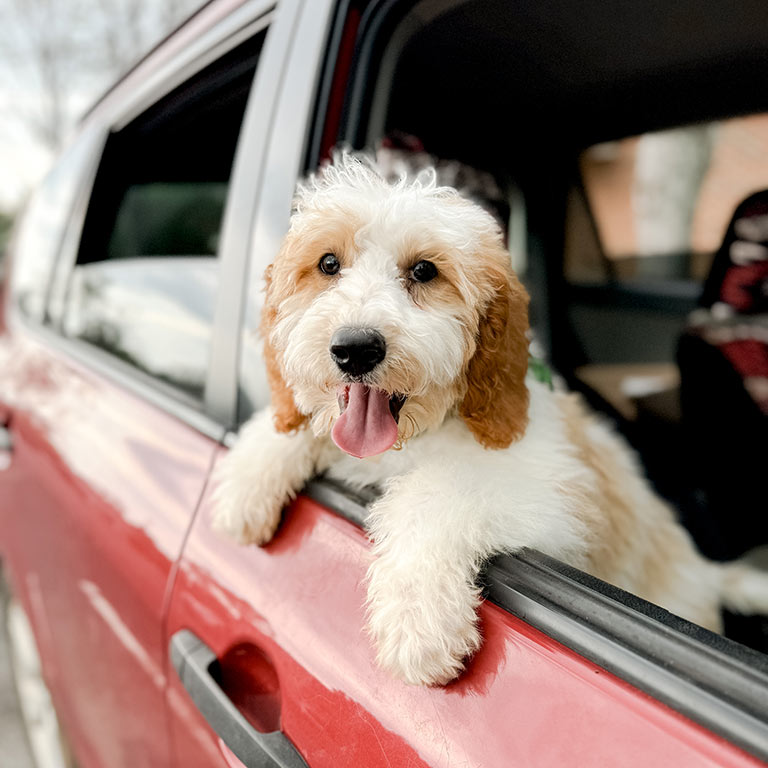
Good dog park etiquette starts with an honest look at whether your dog is actually ready for that environment. According to the American Kennel Club, puppies who have not completed their vaccinations should not visit a dog park, and dogs should reliably know basic cues like come and stay before going off leash around unfamiliar dogs. Our puppy socialization foundation and recall training work lay a lot of that groundwork long before a puppy is ready for an off leash dog park visit.
Dog Park Safety and Etiquette Basics
Once your dog is ready, a handful of simple dog park etiquette habits make the experience better for everyone.
Scout the Park First
Good dog park etiquette often starts with a solo visit. Walking the perimeter without your dog first lets you check the fencing, gates, and overall feel of the place before bringing your dog into the mix.
Limit Toys and Treats
Bringing a favorite toy or a handful of treats can sound harmless, but it is one of the more common dog park etiquette mistakes. VCA Animal Hospitals’ guide to dog park etiquette notes that toys and treats can spark resource guarding conflicts between dogs who do not know each other, so it is usually best to leave both at home.
Watch Body Language, Not Just Behavior
Reading the room is a core piece of dog park etiquette. Merck Veterinary Manual’s overview of normal social behavior in dogs explains that dogs communicate through body postures, facial expressions, tail and ear positions, and raised hackles, and signals like a stiff posture or a tightly tucked tail often show up well before an actual conflict, which lines up with the same stress signals we watch for in puppies here at home. Catching these cues early gives you a chance to step in before things escalate.
Keep Health and Vaccinations Current
Dog park etiquette also means protecting other dogs from illness, not just your own dog from injury. ASPCA’s overview of common dog diseases explains that conditions like kennel cough spread easily through shared water bowls and close contact, exactly the kind of environment a busy dog park creates.
Managing Multi-Dog Interactions Safely
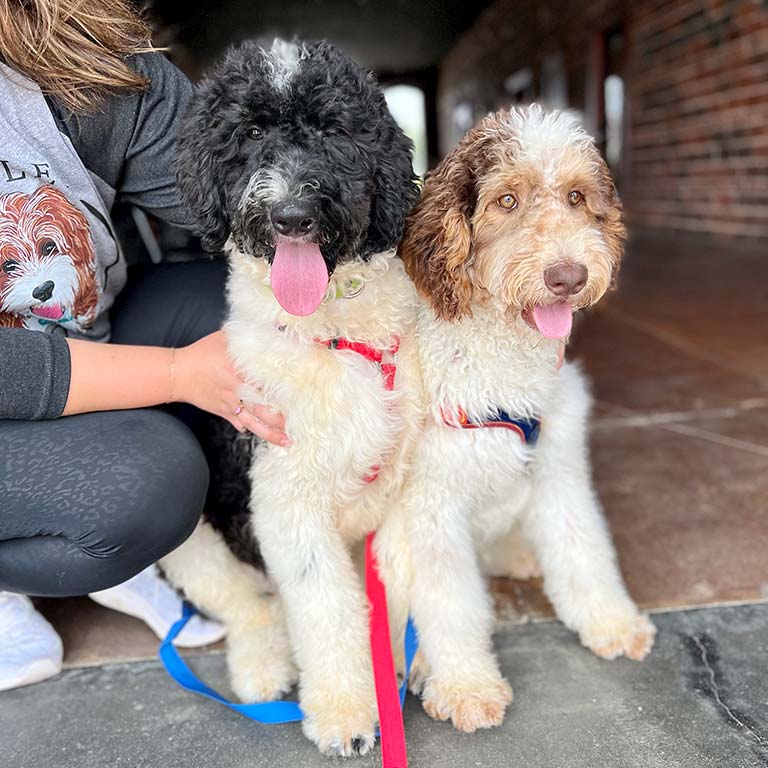
Part of responsible dog park etiquette is understanding how quickly group dynamics can shift. The AAHA Canine Life Stage Guidelines note that exposure to unfamiliar animals, including at dog parks, is a lifestyle factor worth discussing with your veterinarian as part of an overall safety plan. If you notice a group of dogs starting to gang up on a single dog, or repeated chasing that is not being reciprocated, that is usually a sign it is time to leash up and head out. This is also where enrichment activities at home can help, since a mentally satisfied dog is often calmer and easier to read in a group setting.
Preventing Bites and Conflicts
Even well socialized dogs can bite under the wrong conditions, which is why dog park etiquette includes staying engaged rather than distracted. AVMA’s guidance on preventing dog bites recommends staying alert to your dog’s stress signals and being ready to calmly remove them from a situation before it turns into a real conflict. This is exactly why consistency in training matters so much, a dog who reliably responds to their name or a recall cue is much easier to pull out of a tense moment.
A Story From Our Farm
We have raised a lot of puppies here who go on to become confident, social dogs through our Checkpoint Training program, but one thing we always tell new families is that good dog park etiquette is a skill, not an instinct. We once worked with a family whose young Goldendoodle absolutely loved other dogs but had never learned a reliable recall, and their first dog park visit ended in a stressful chase around the fence line trying to get him back on leash. After a few weeks of focused recall work at home, the same dog became one of the easiest, most relaxed dogs at the park. Dog park etiquette really does start at home, long before that first visit.
Frequently Asked Questions: Dog Park Safety and Etiquette
What vaccinations does my dog need before visiting a dog park?
Most experts recommend dogs be current on core vaccines plus bordetella before regular dog park visits, since these environments involve close contact with many unfamiliar dogs.
How can I tell if dog park play is getting too rough?
Watch for one dog repeatedly chasing or pinning another without breaks, stiff body posture, raised hackles, or a dog trying to get away and being followed anyway.
Should I bring my dog’s favorite toy to the dog park?
It is usually better to leave personal toys and treats at home, since they can trigger resource guarding conflicts between dogs who do not know each other.
Is it rude to leave the dog park early?
No, leaving early when your dog seems tired, overstimulated, or uncomfortable is a normal and responsible part of good dog park etiquette.
Are all dogs good candidates for dog parks?
No, some dogs do better with structured one on one playdates or training classes instead, and that is a completely normal preference rather than a training failure.