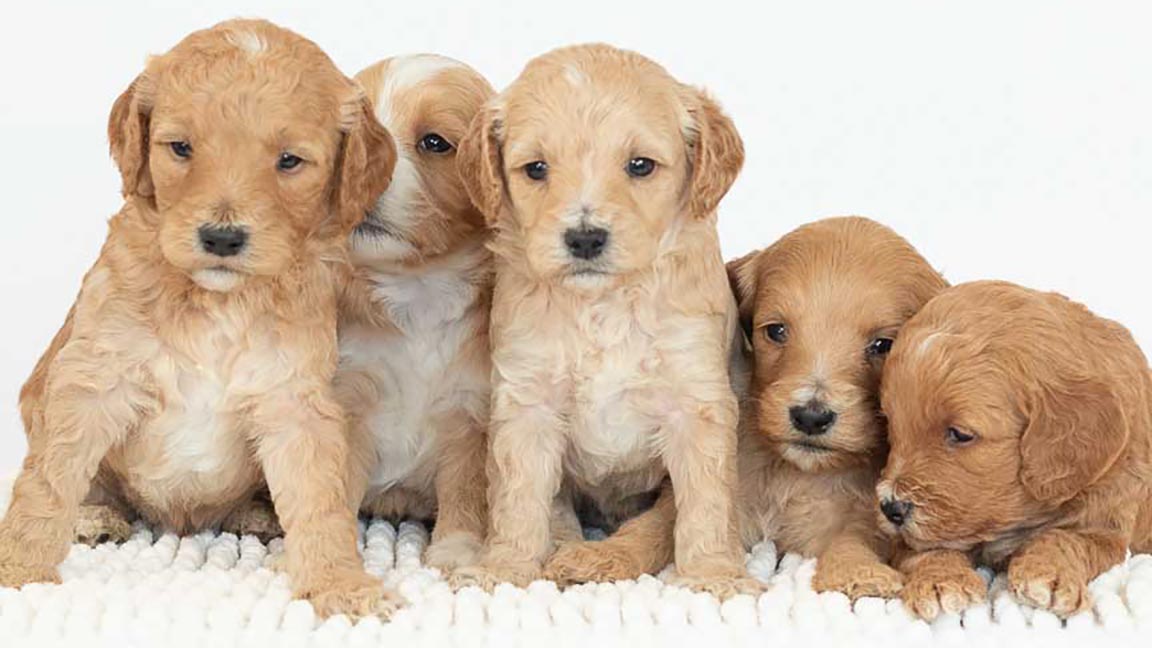
Dog Motion Sickness: Why It Happens and How to Help
Dog Motion Sickness: Why It Happens and How to Help
Dog motion sickness happens most often in puppies whose inner ear balance system is still developing, and it usually shows up as drooling, whining, or vomiting during car rides, but most dogs outgrow it with a few simple adjustments and some patient conditioning.
At Double U Doodles, we get questions about dog motion sickness from almost every new puppy family, usually after that first car ride home does not go quite as smoothly as hoped. Dog motion sickness is extremely common in young puppies, and understanding why it happens makes it a lot easier to help your dog feel comfortable in the car.
Why Dog Motion Sickness Happens
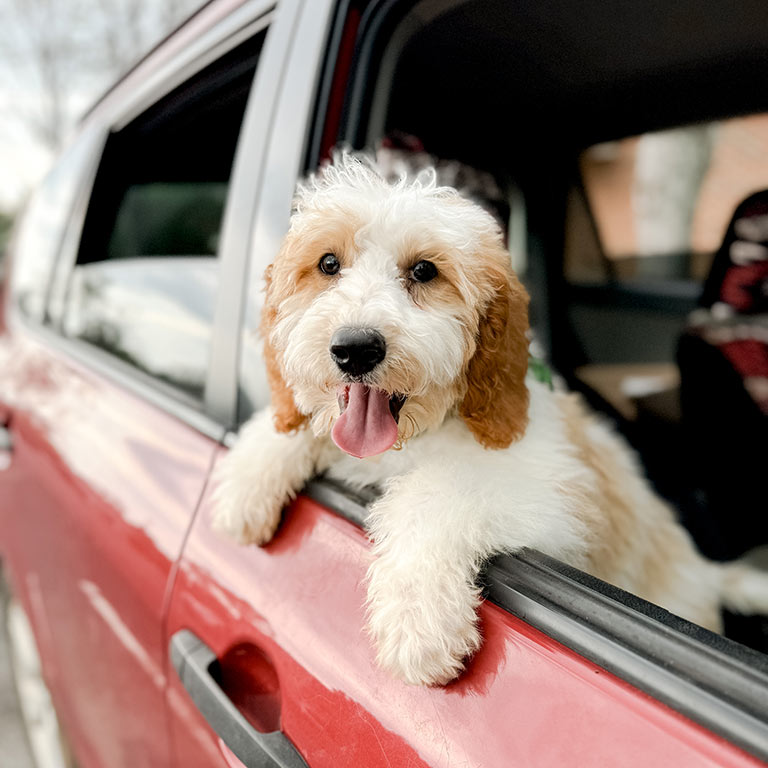
Dog motion sickness is tied to the same inner ear balance system that causes motion sickness in people. VCA Animal Hospitals explains that this condition is more common in younger dogs than adults, since the parts of the inner ear involved in balance are not fully developed yet, and most puppies outgrow dog motion sickness by around one year old. Anxiety can also play a role, since dogs who only ride in the car for stressful trips, like a vet visit, can start associating the car itself with feeling unwell.
Signs of Dog Motion Sickness
Recognizing dog motion sickness early can help you intervene before a car ride turns into a mess. According to the American Kennel Club, common signs of dog motion sickness include excessive drooling, whining, lip licking, restlessness, and, of course, vomiting. These signs often show up gradually as the car ride continues, so catching them early gives you a chance to pull over before things get worse.
Practical Ways to Prevent Dog Motion Sickness
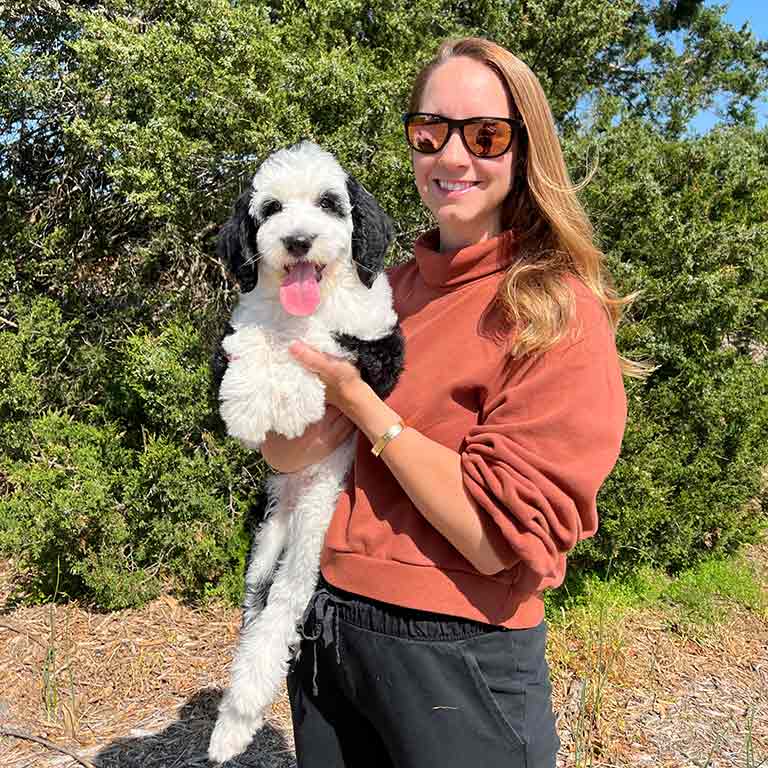
Several simple adjustments can reduce dog motion sickness considerably, and they matter just as much once your puppy settles into the first 72 hours at home as they do on the ride there. The AVMA recommends letting your pet get used to car travel gradually before any long trips, and safely restraining dogs in the back seat rather than the front, both of which help reduce dog motion sickness and keep everyone safer. Cracking the windows for fresh air, limiting food for a few hours before travel, and keeping the car cool can all make a real difference too, according to guidance from the FDA on traveling with pets.
Conditioning Your Puppy to Enjoy Car Rides
One of the best long-term solutions for dog motion sickness is simple conditioning. Merck Veterinary Manual notes that motion sickness can often be overcome by gradually conditioning a dog to travel, starting small and building up slowly. This kind of gradual, positive exposure is very similar to how we approach crate comfort and early socialization here at the farm, since dogs generally respond best to new experiences introduced slowly and paired with good things.

Setting Your Puppy Up for Success From Day One
Because dog motion sickness is so common in young puppies, we think about it well before a puppy ever leaves our care. Part of how we raise our puppies includes early, gentle exposure to car rides, and by go home day most of our puppies have already had a handful of short, positive trips under their belt. ASPCA’s travel safety tips recommend prepping a dog for longer trips with a series of short drives first, and offering a light meal three to four hours before departure rather than right before travel, which helps prevent dog motion sickness from becoming a learned, anxious response.
A Story From Our Farm
We had a family pick up their Bernedoodle puppy a while back who seemed perfectly happy in the car during their visit here, only to call us a week later worried because their pup had thrown up on the ride home. That is actually a very normal pattern with dog motion sickness, since the trip home is often a puppy’s first long car ride away from everything familiar. We walked them through feeding lightly before travel, cracking a window, and taking a few short practice drives around the block, and within two weeks that same puppy was riding calmly to the park without any trouble at all. It is exactly the kind of follow-up support we back with our health guarantee, since we want every family to feel supported well past pickup day.
Frequently Asked Questions
At what age do puppies usually outgrow motion sickness?
Most puppies outgrow dog motion sickness by around one year of age, once the balance structures in the inner ear finish developing.
Should I feed my dog before a car ride?
No, it is best to withhold food for a few hours before travel, since a full stomach can make dog motion sickness worse.
Can adult dogs still get motion sick?
Yes, some adult dogs continue to experience motion sickness, especially if they never had positive early experiences with car travel or associate the car with stressful destinations.
Is there medication for dog motion sickness?
Yes, your veterinarian can recommend anti nausea or anti anxiety medication for dogs with persistent motion sickness, especially for longer trips.
Where is the safest place for my dog to ride in the car?
The back seat, properly restrained in a crate, carrier, or dog seat belt, is considered the safest position and can also help reduce motion sickness by limiting how much a dog sees the scenery rushing by.