Mini Bernedoodle Puppies
To confirm availability, text/call Becca @ 864-770-5368, and then place your deposit ($750) to reserve your favorite puppy! We hare happy to talk on the phone and/or FaceTime. You may also schedule a visit here to meet the puppy.
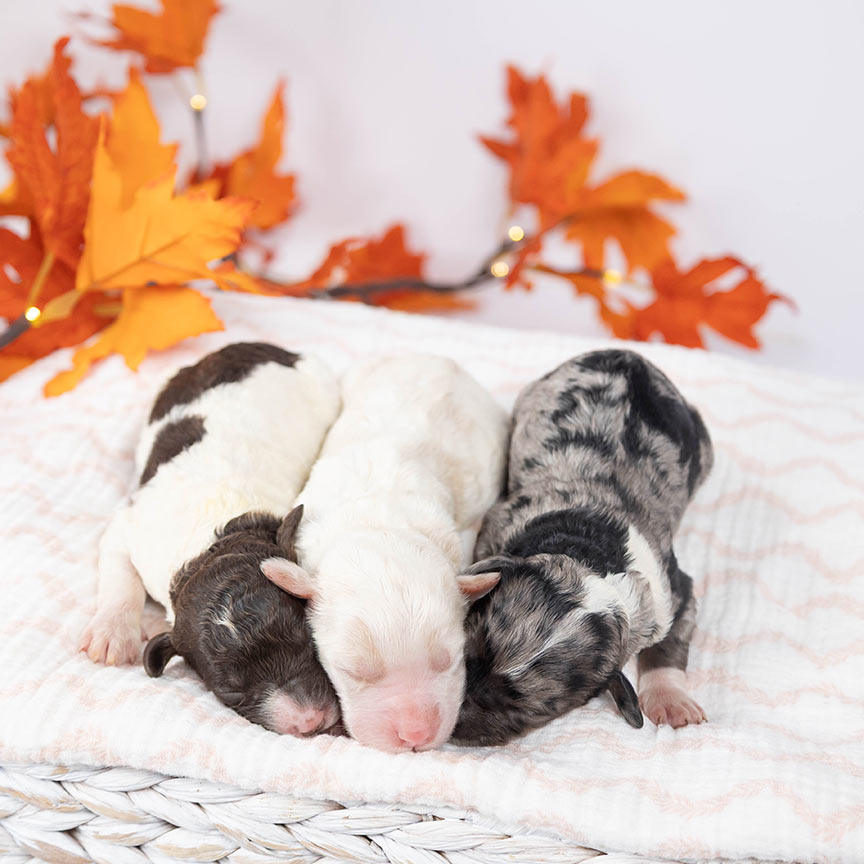
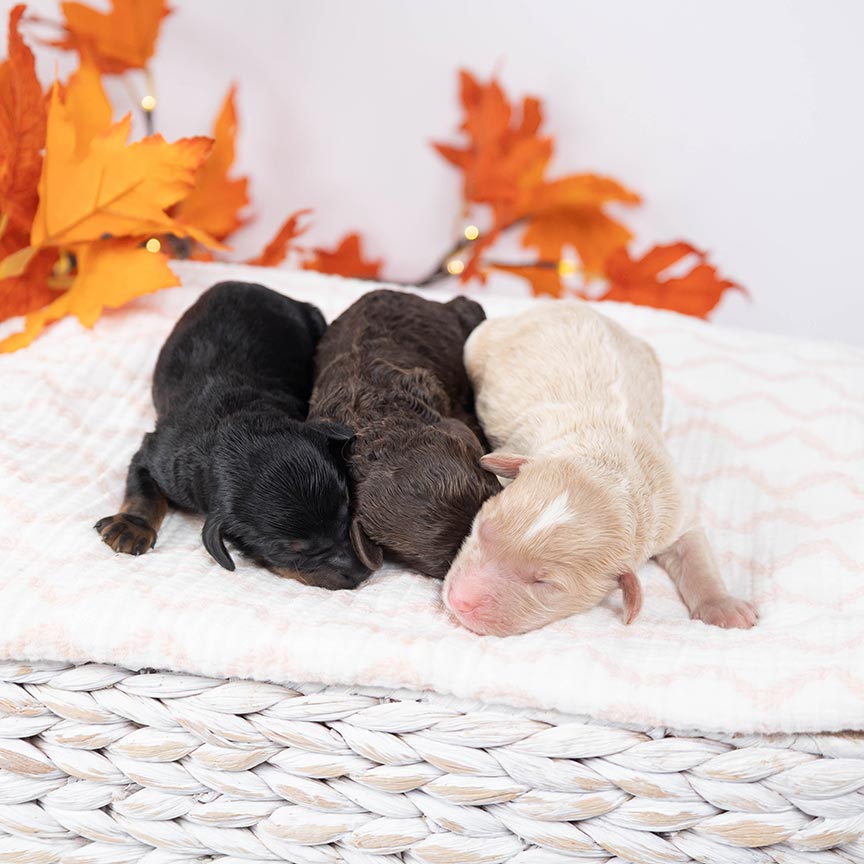
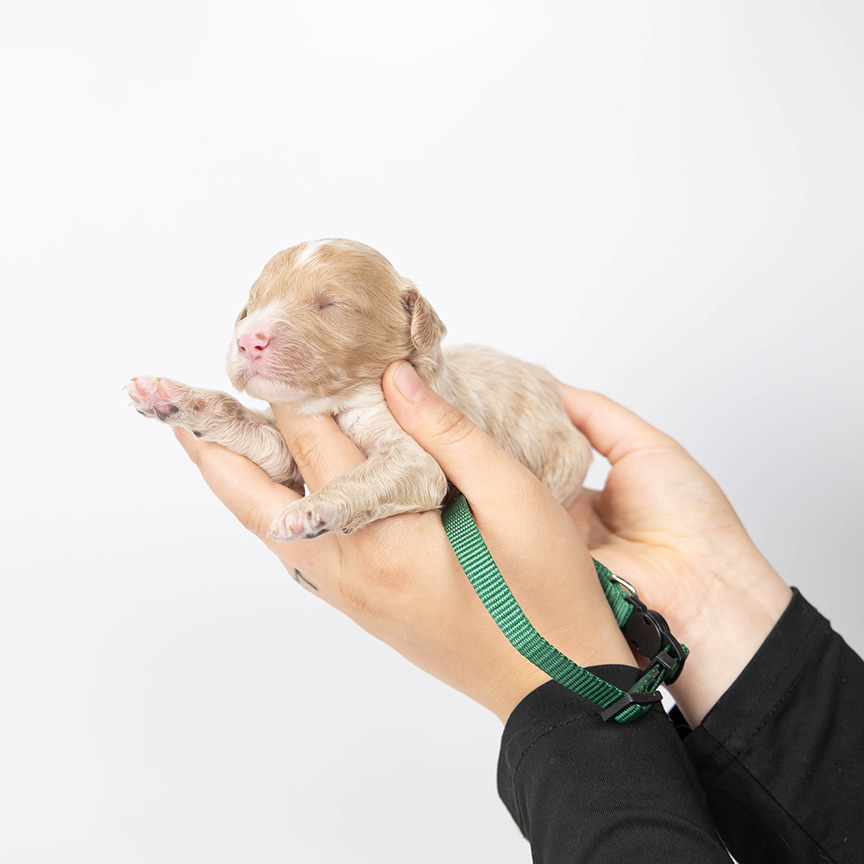
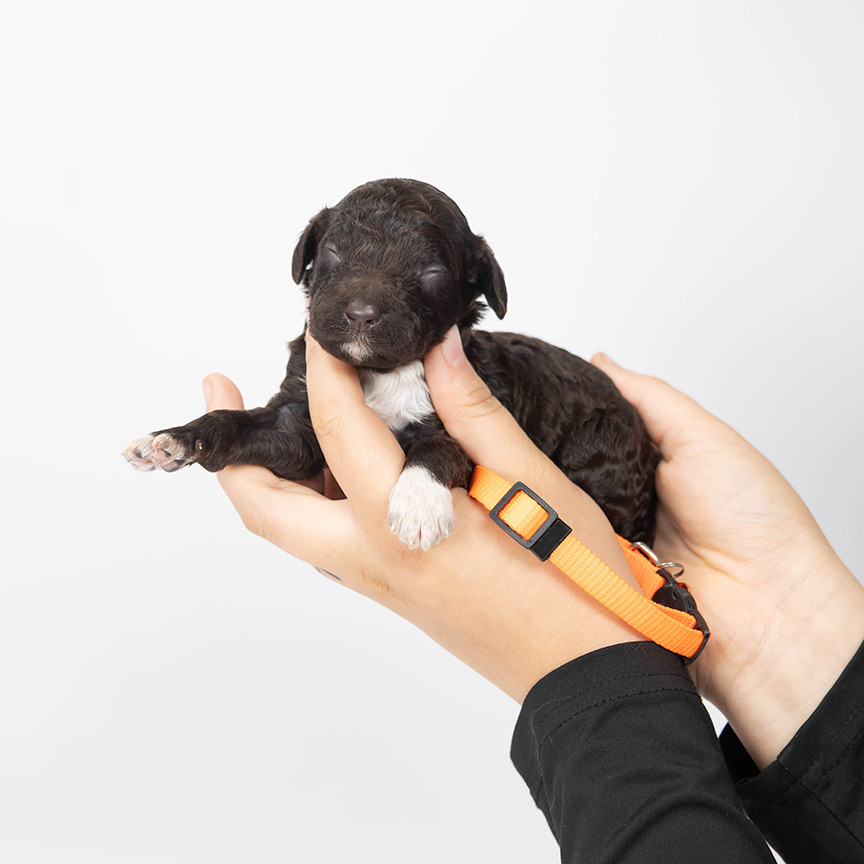
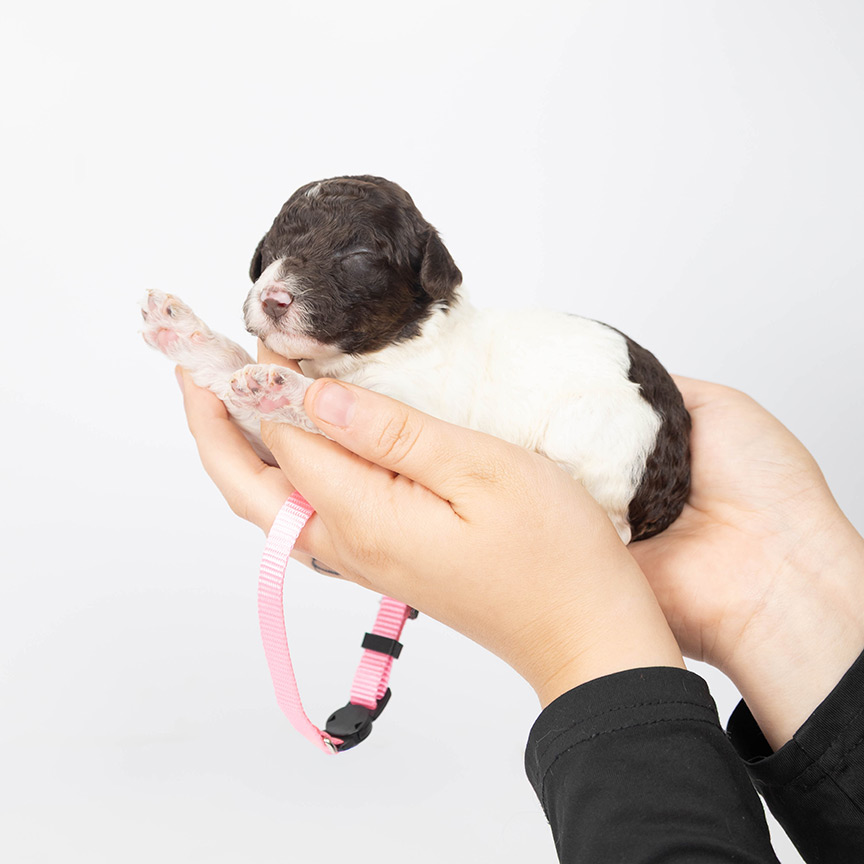
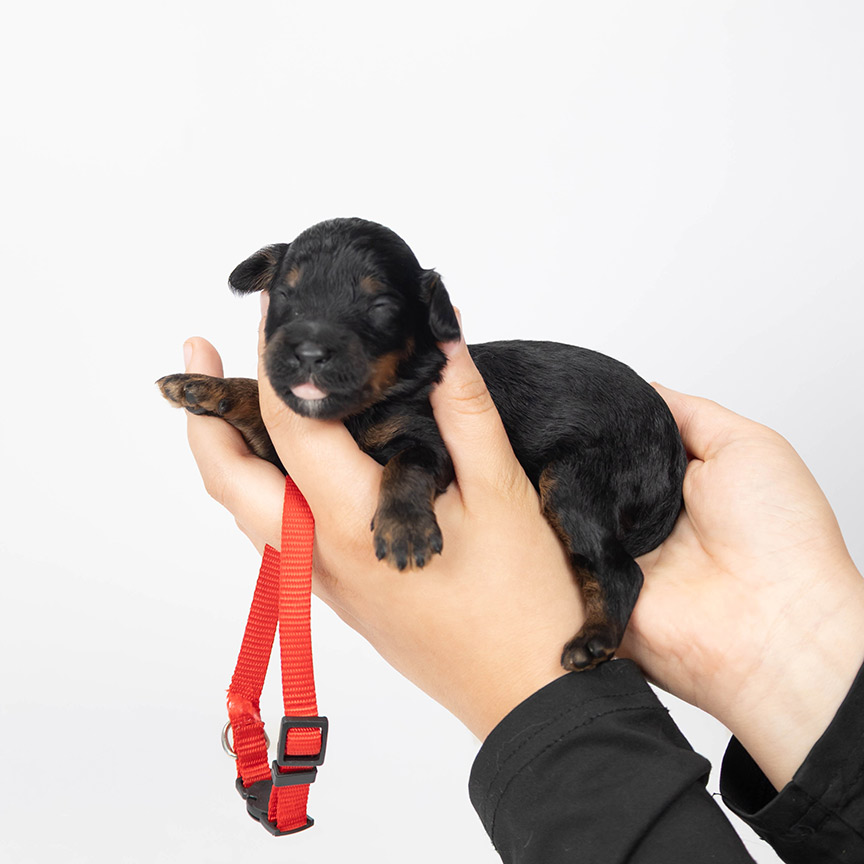
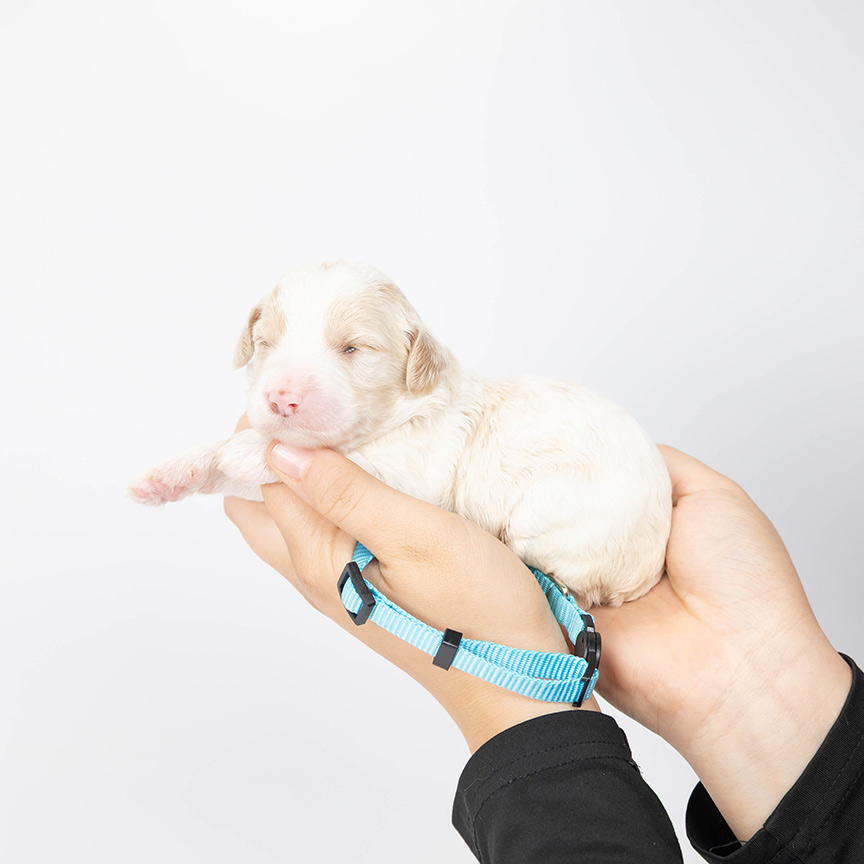
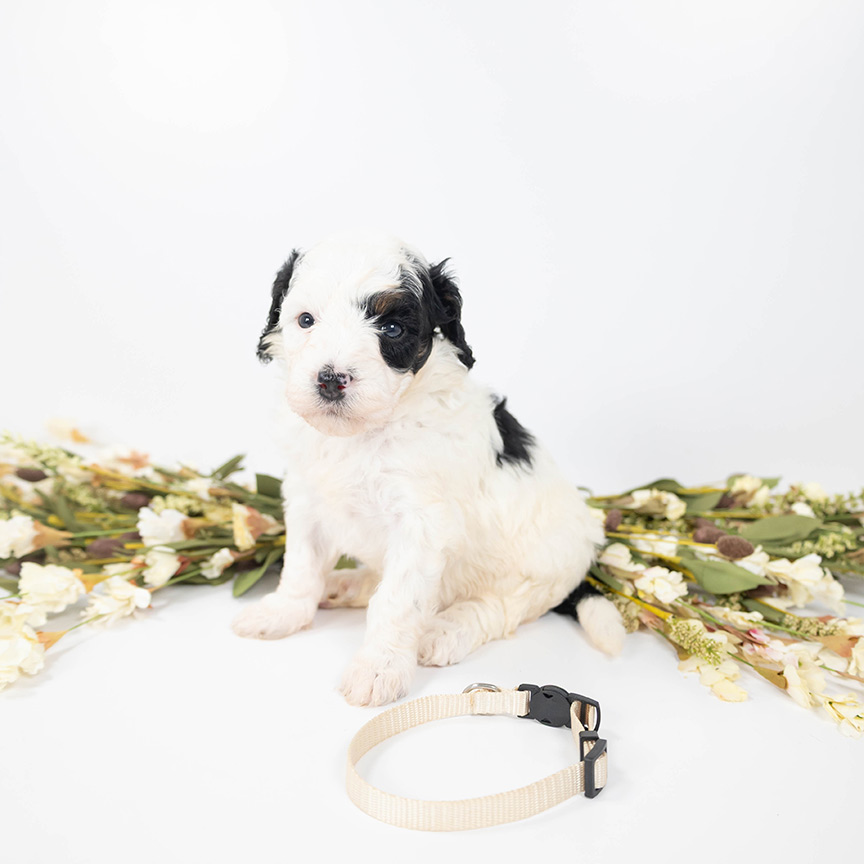
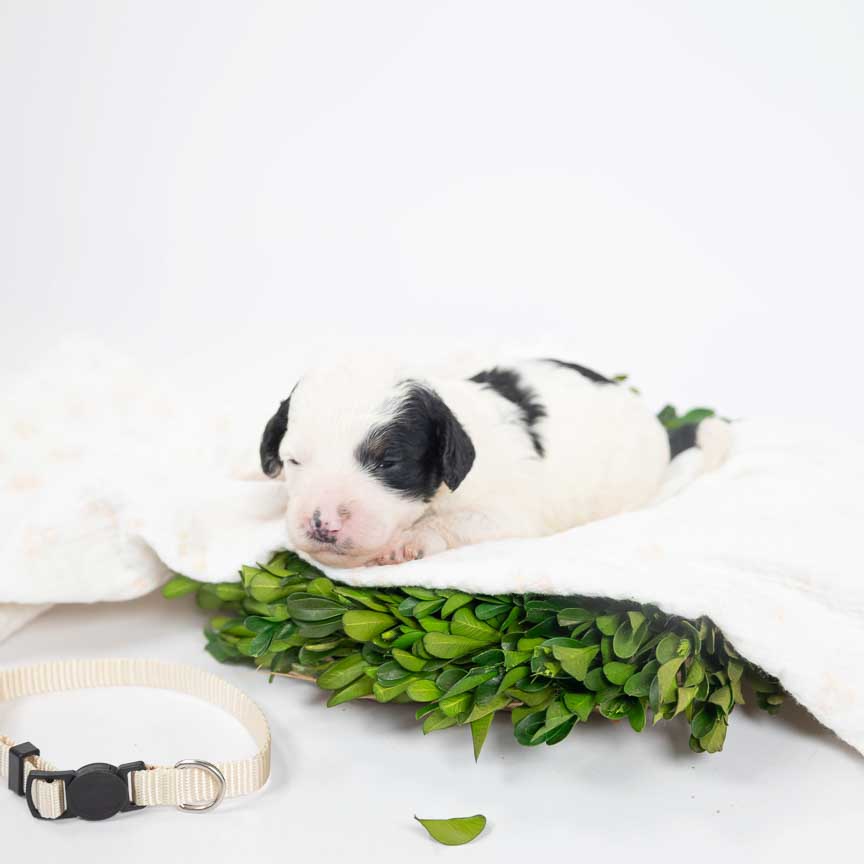
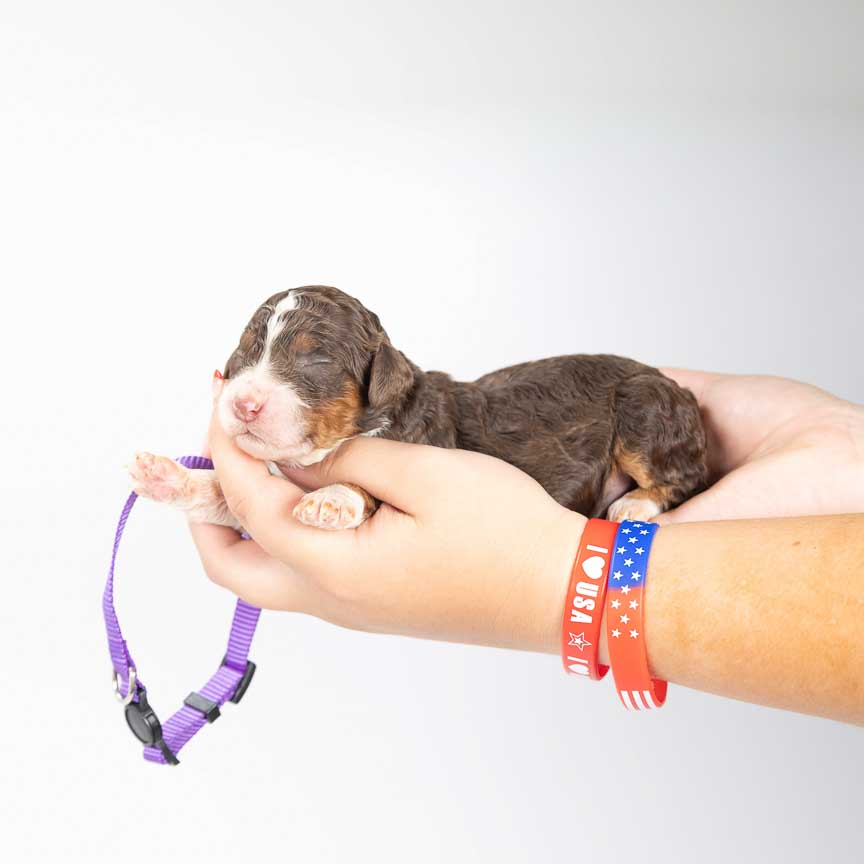
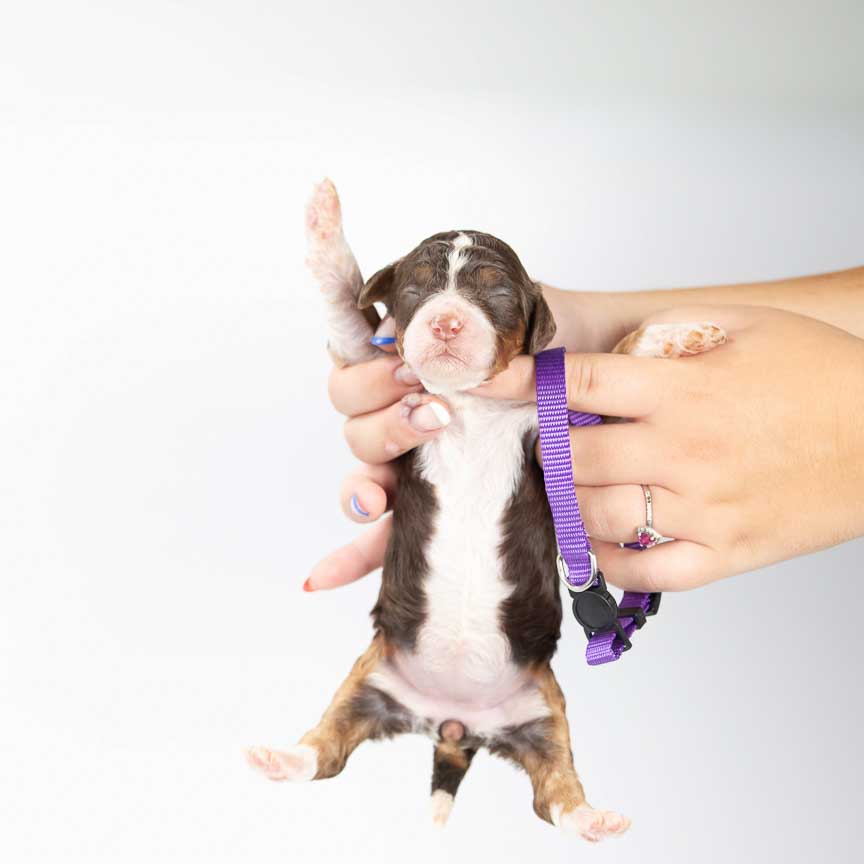
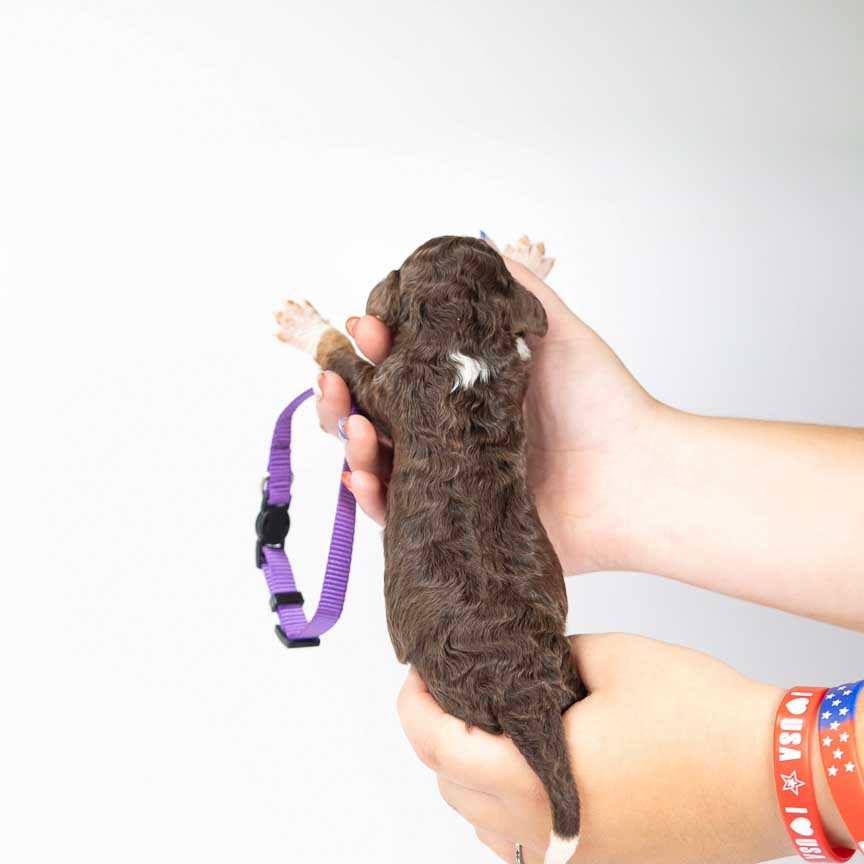
NEW MINI BERNEDOODLES JUST BORN!!!
Born: 09/11/26
Size: 25-35lbs
Go Home Day: 11/20/26
DEPOSIT LIST OPEN!!!
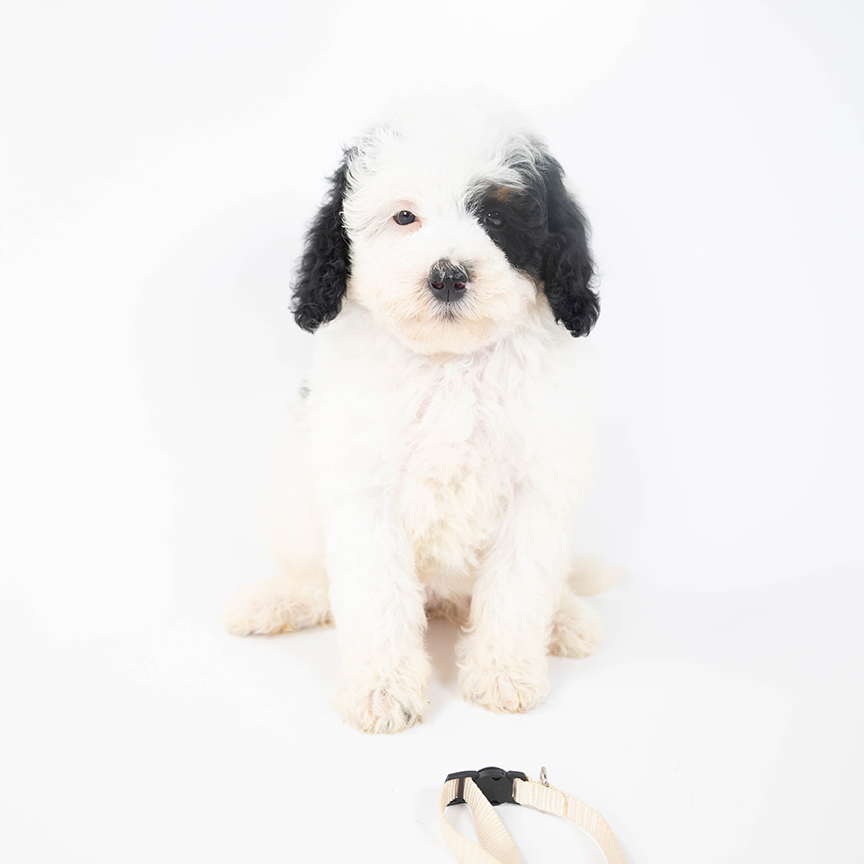
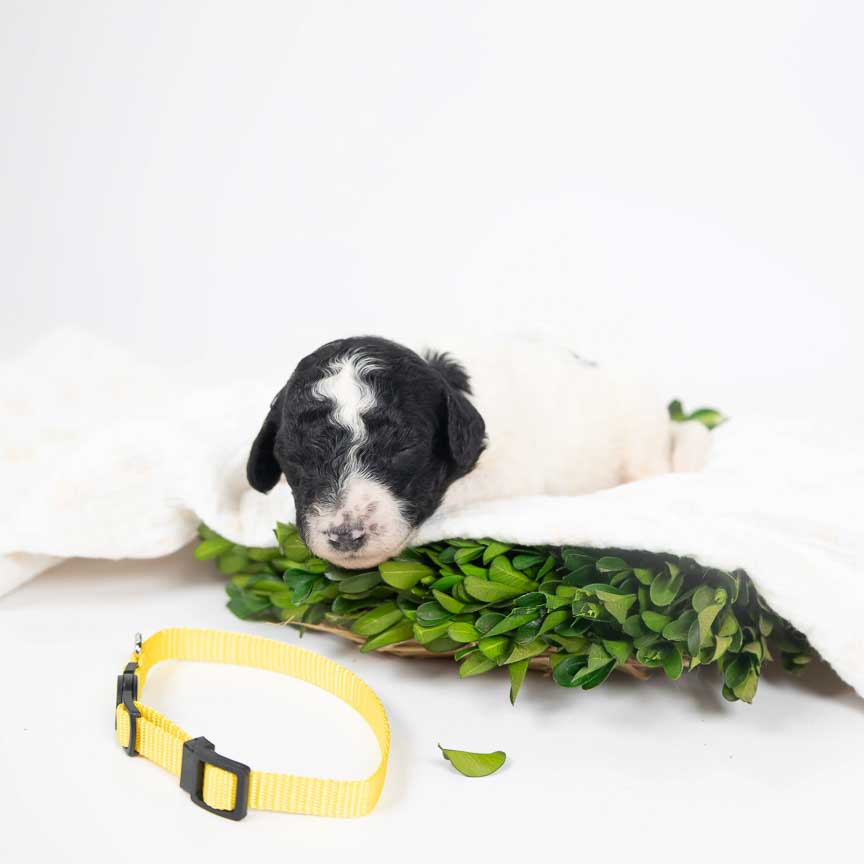

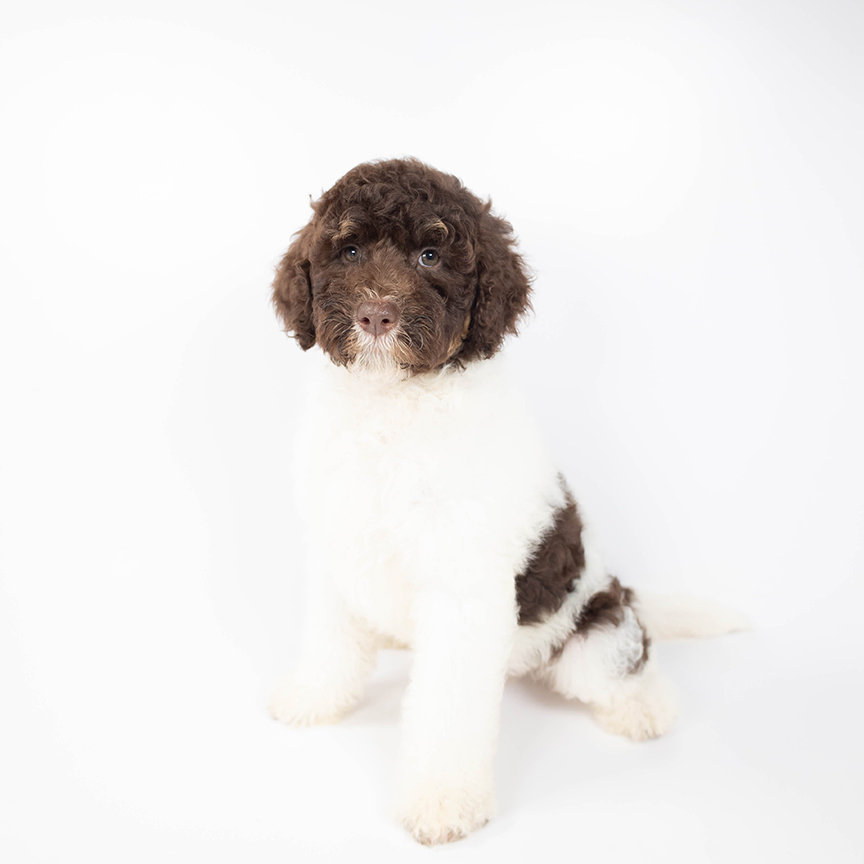
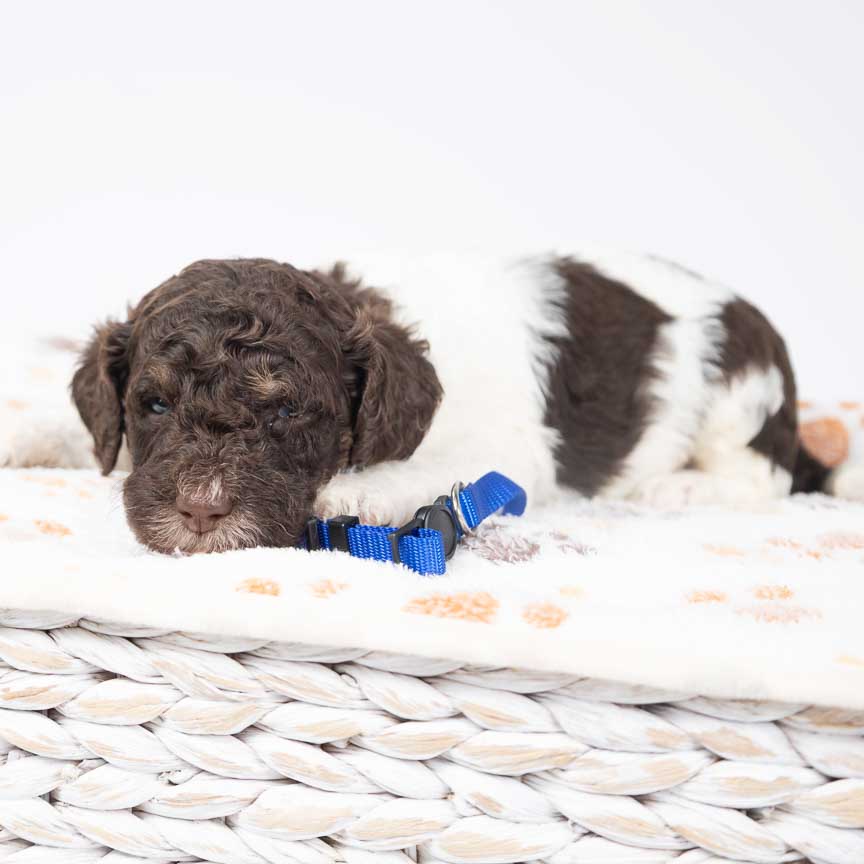
SOLD
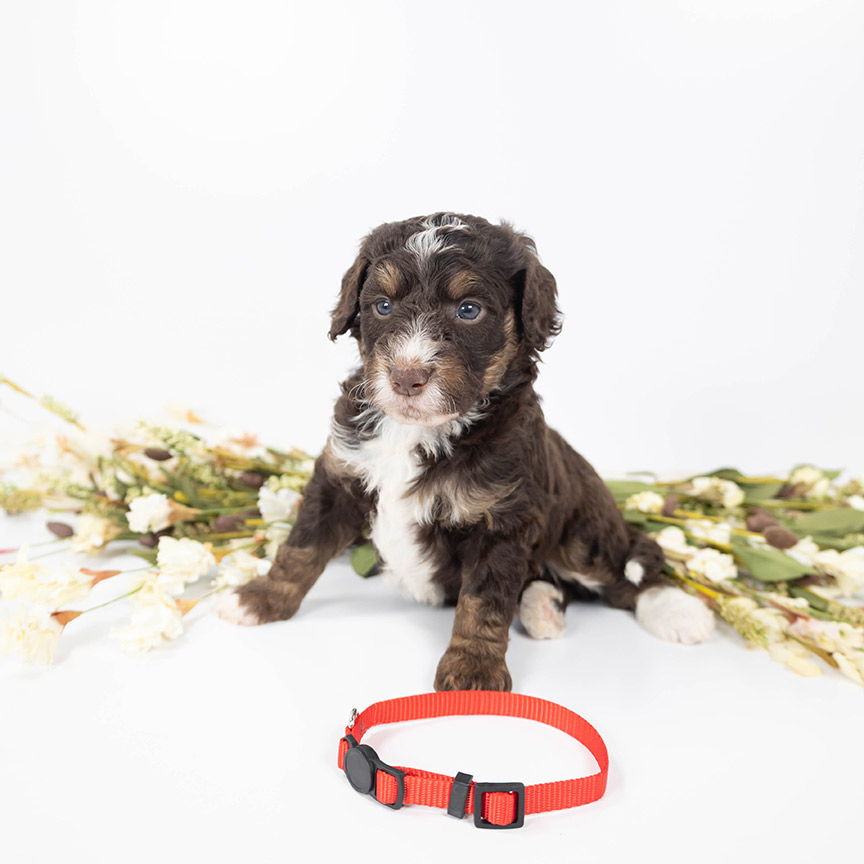
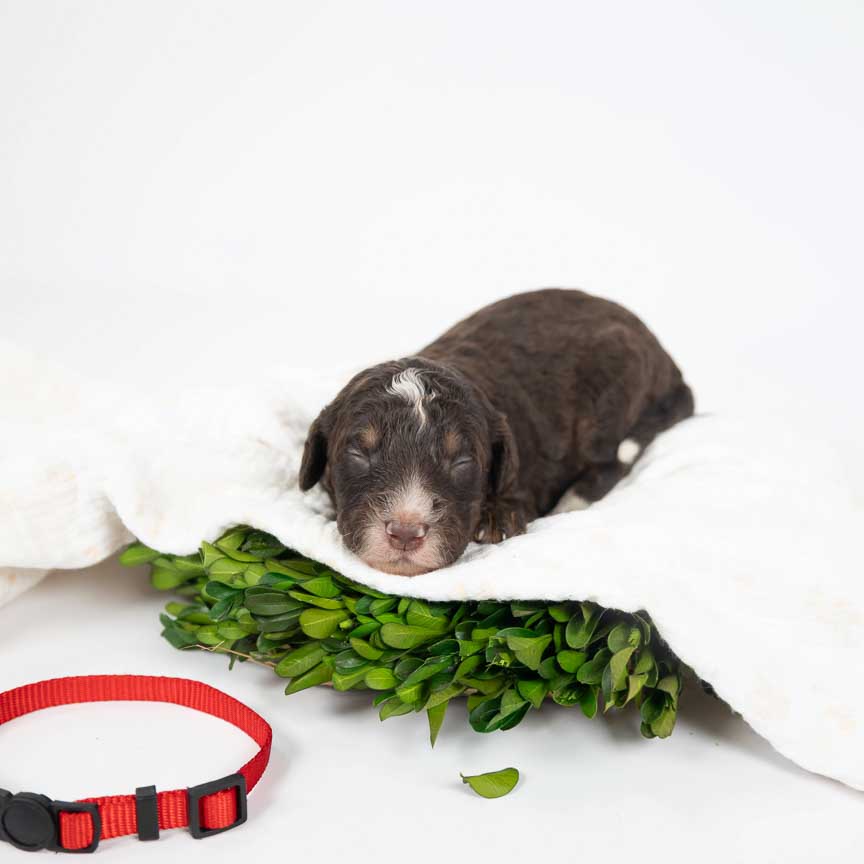
SOLD
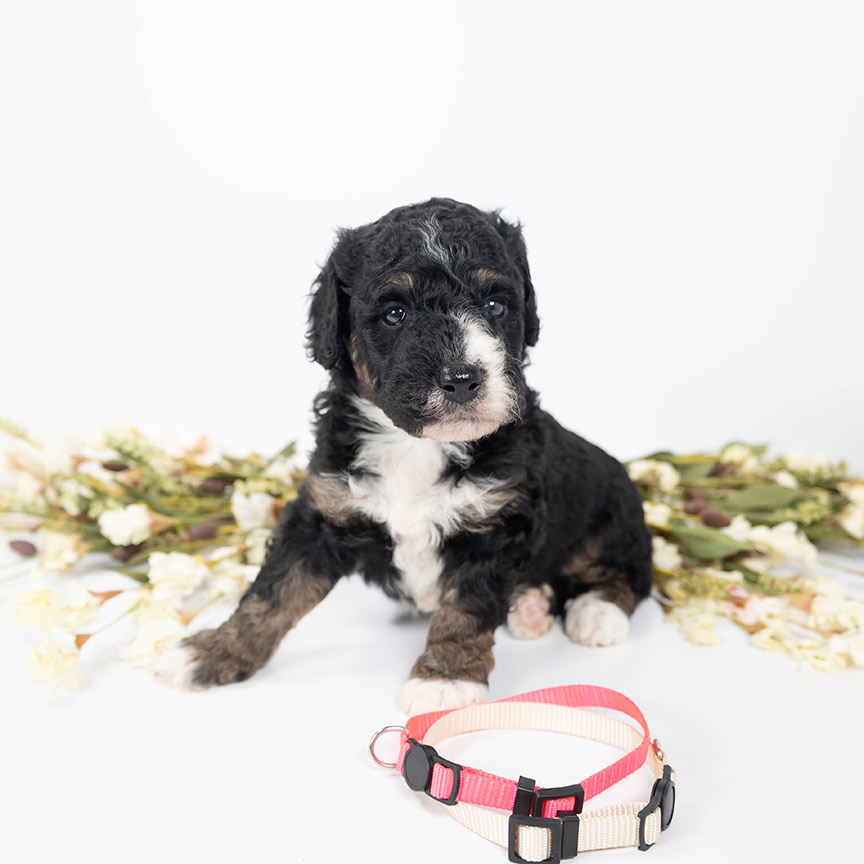
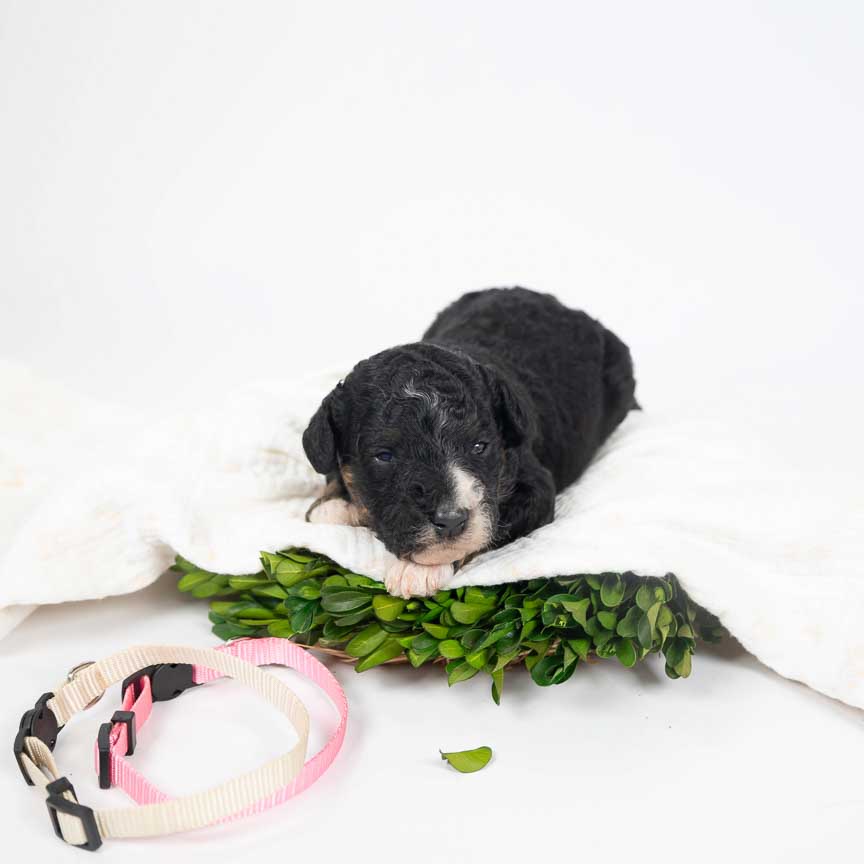
SOLD
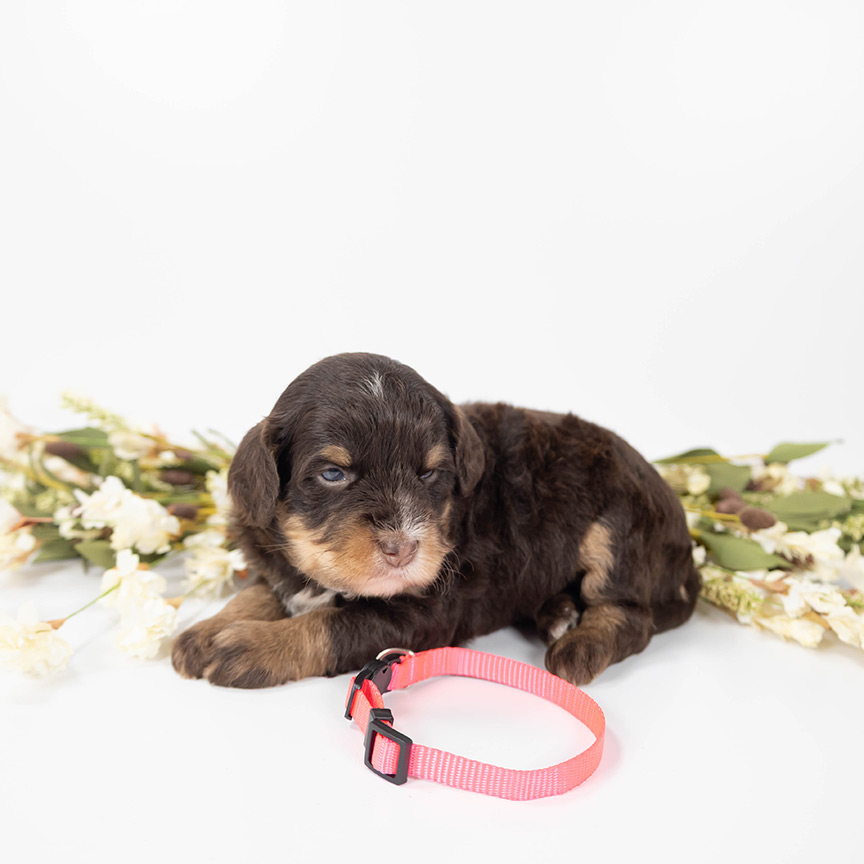
SOLD
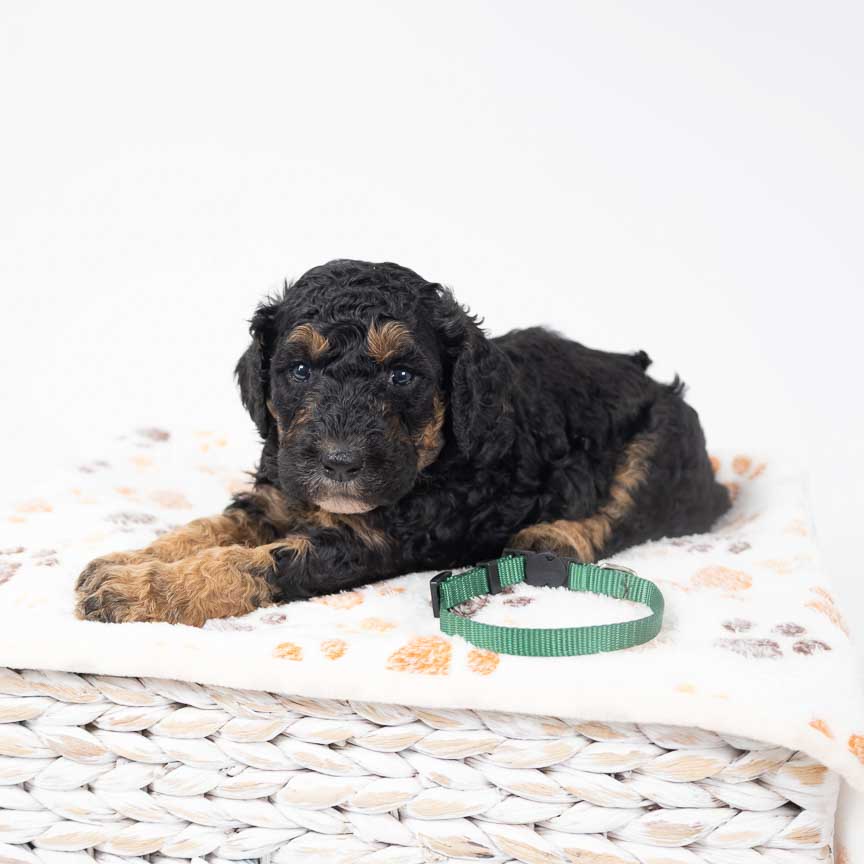
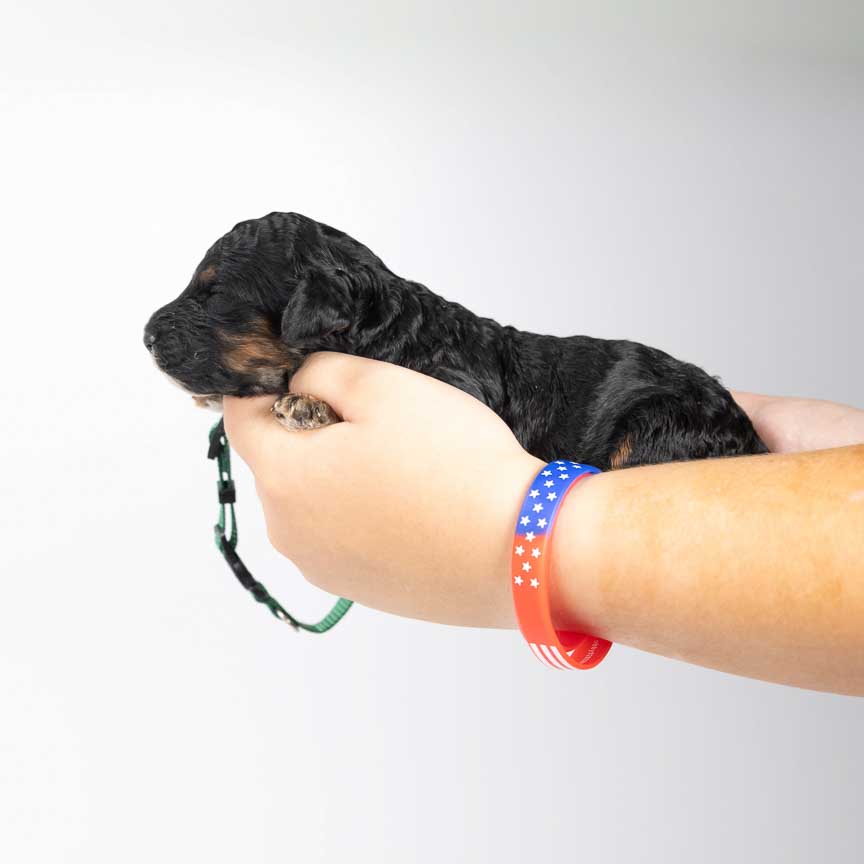
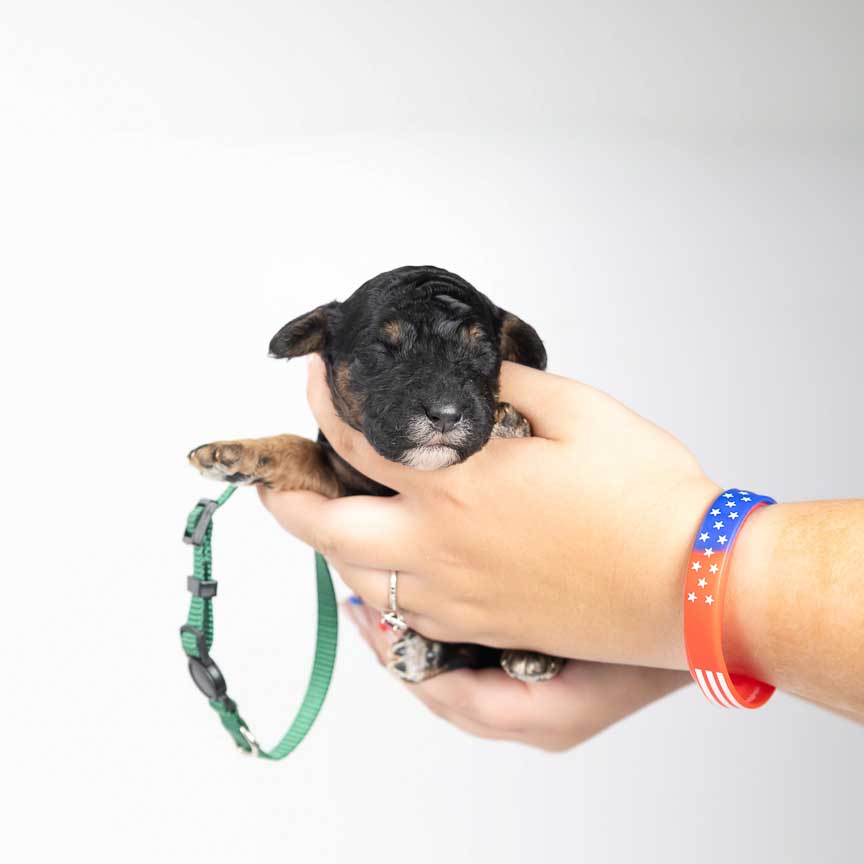
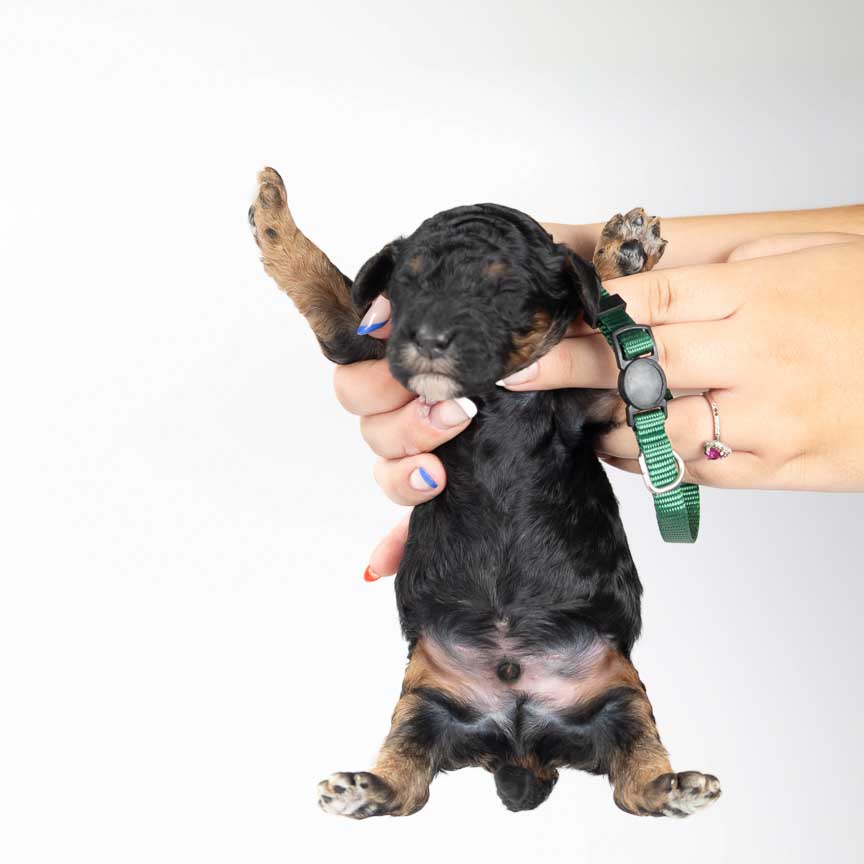
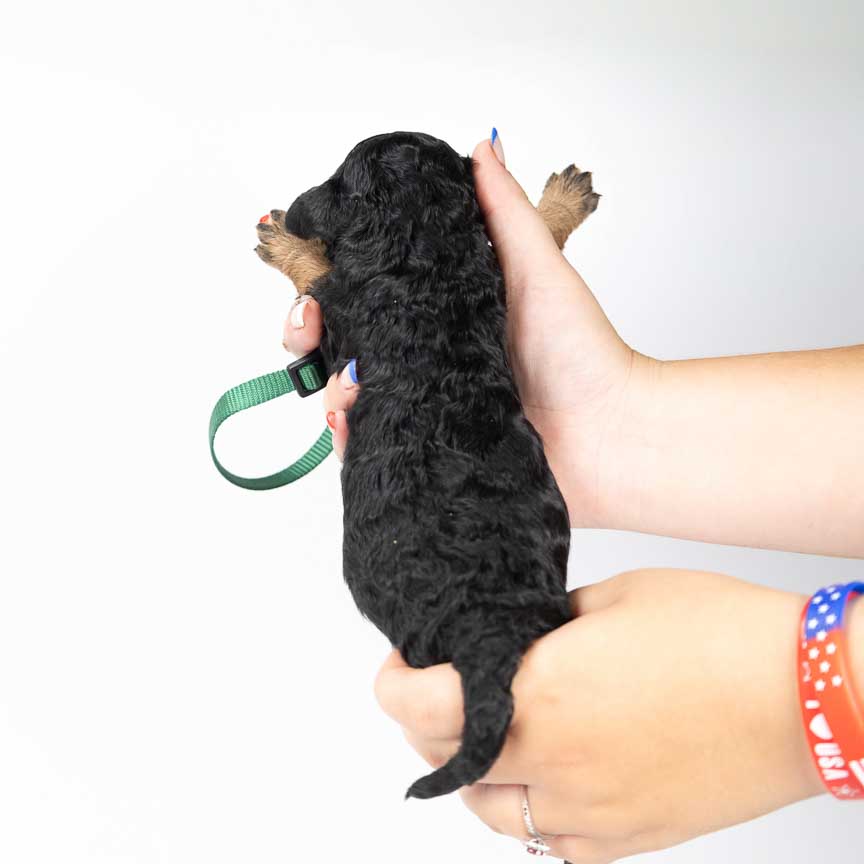
SOLD
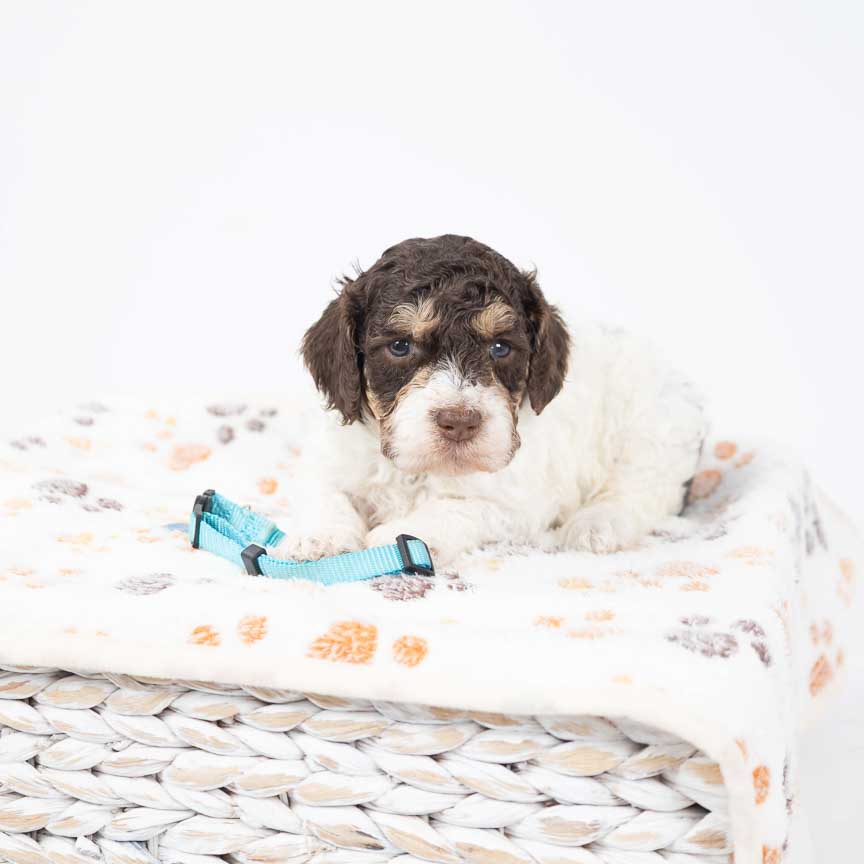
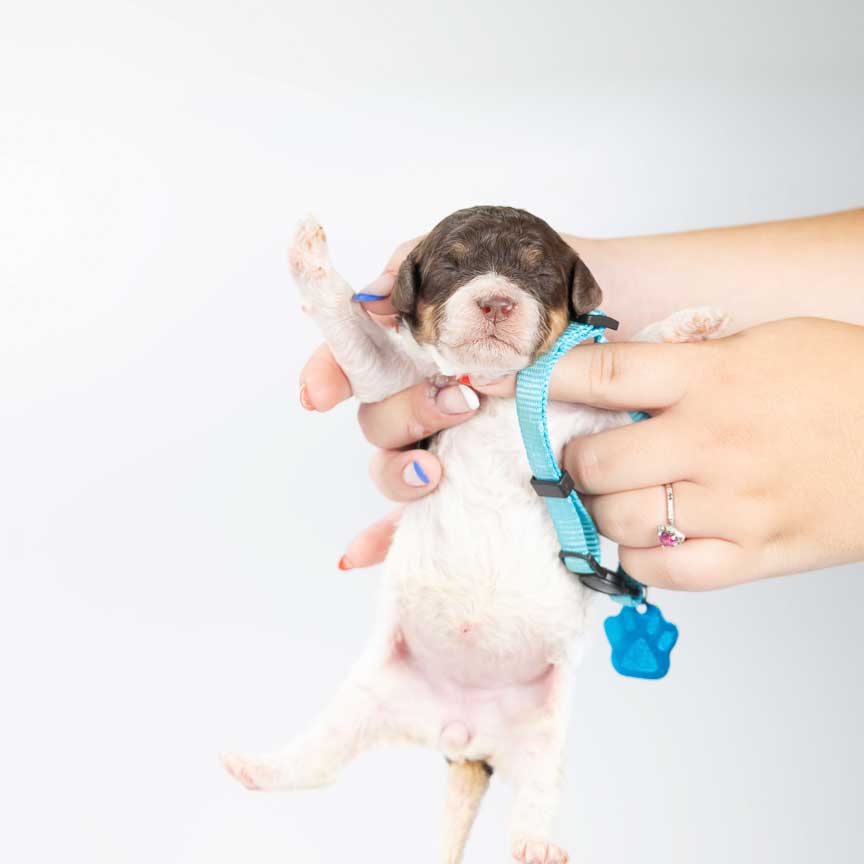
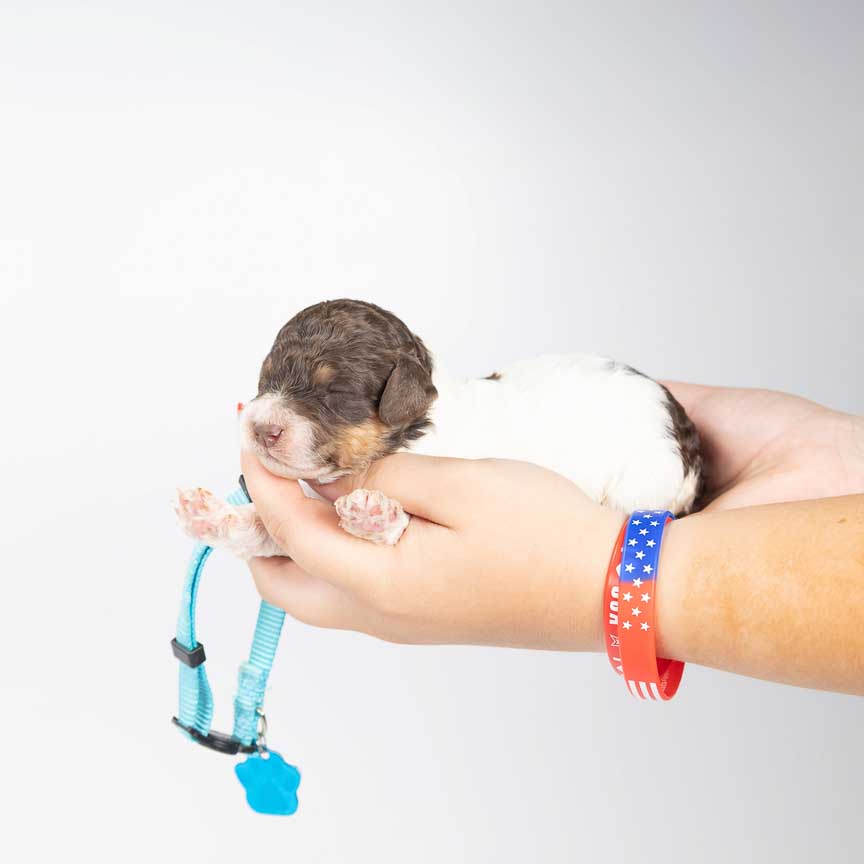
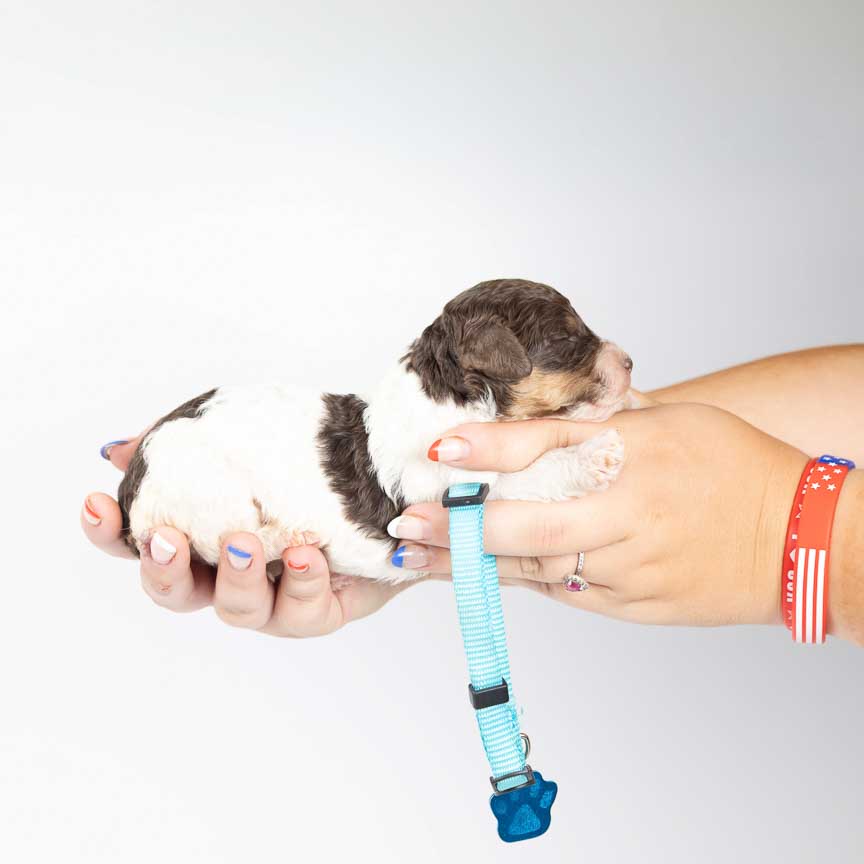
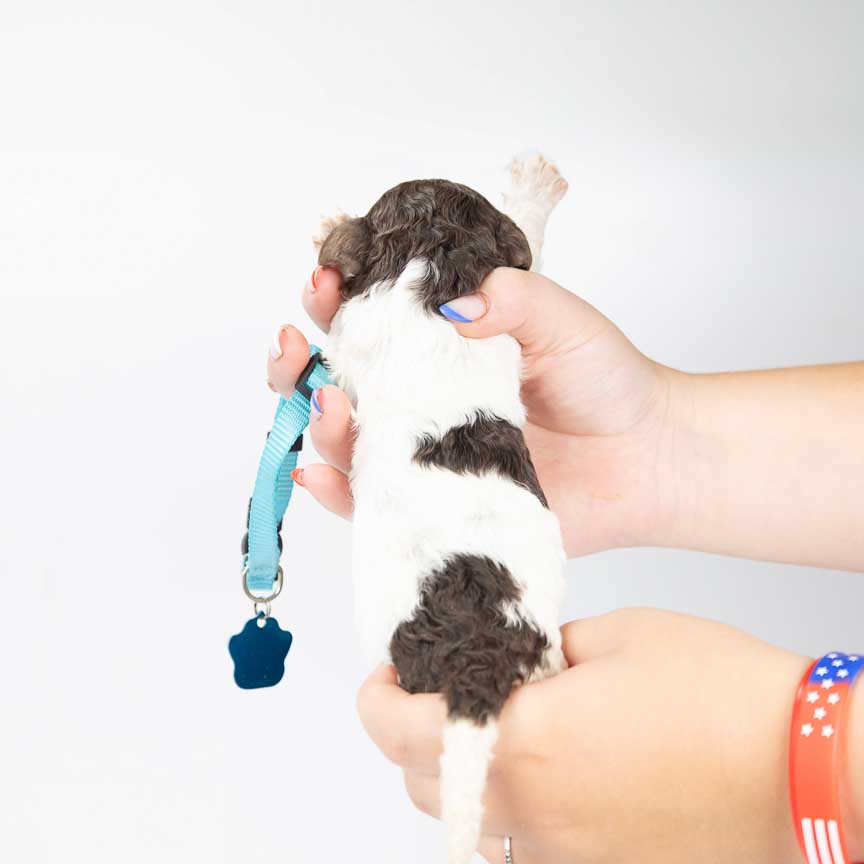
SOLD
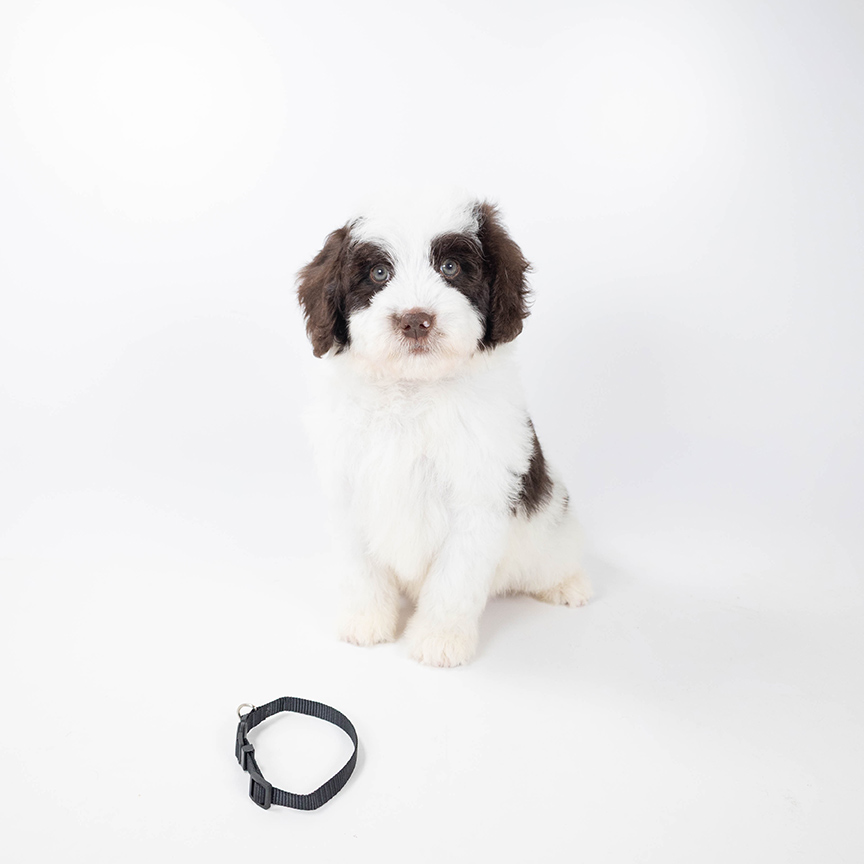
SOLD
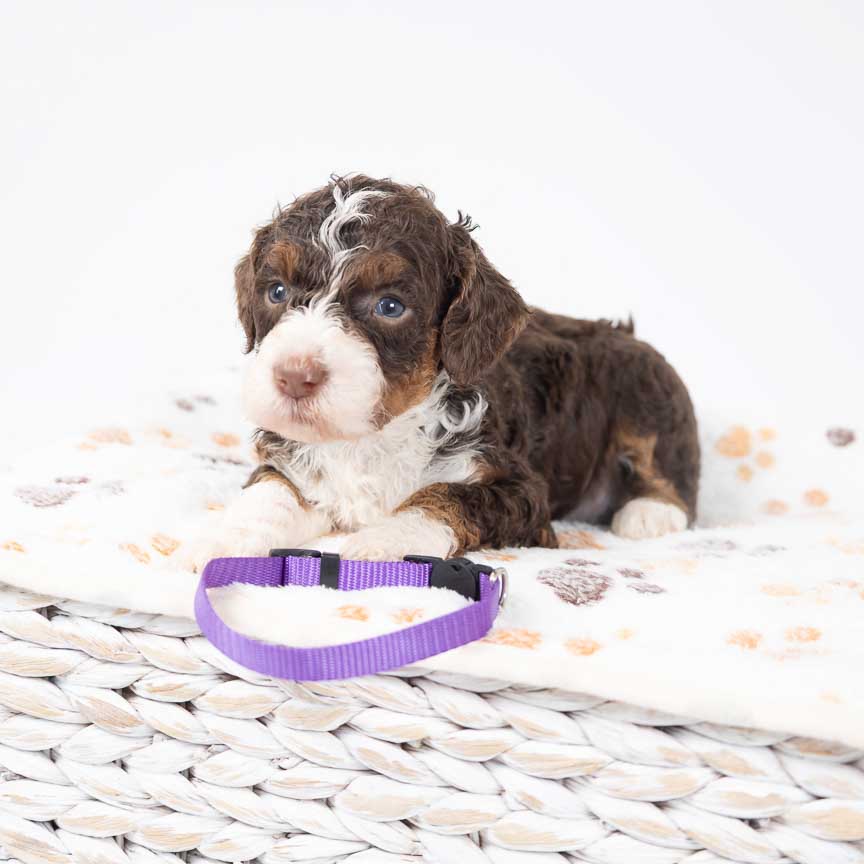
SOLD
1. Choose Your Puppy!
Phone: (864) 770-5368
Text: (864) 770-5368
Email: hello@doubleUdoodles.com
2. Place Your Deposit
Choose from our available puppies or join our Early Deposit Waiting List. Early Deposit allows you to be the first notified when litters are born, before they’re public, and enjoy priority puppy selection for the doodle that’s meant to be yours. 

3. Plan Go Home Day!
We will accommodate your busy schedule as best we can. We offer flexible go home dates, pick-up or door-to-door delivery. Delivery fees vary by distance from our location. Prices typically range from $350-$750
Mini Bernedoodle Puppies — Double U Doodles
By Rebecca Willis, Owner & Breeder at Double U Doodles
Why Families Keep Choosing Us — And What That’s Taught Me
I’ve been breeding dogs for years, and if there’s one thing I’ve learned, it’s that a great puppy starts long before the litter is born. It starts with choosing the right parent dogs, understanding their genetics, and building an environment where puppies experience the world safely before they ever leave for their new home.
At Double U Doodles, I specialize exclusively in Mini Bernedoodles, a cross between a Bernese Mountain Dog and a Miniature Poodle. I chose this breed intentionally. The Bernese Mountain Dog brings a calm, patient, deeply loyal temperament. The Miniature Poodle brings intelligence, trainability, and a low-shedding coat. Together, they produce a dog that genuinely fits modern family life.
What I didn’t expect, early on, was how forgiving this breed is with first-time dog owners. I still remember delivering a puppy named Charlie to a young couple who had never owned a dog before. They were nervous. Charlie wasn’t. He crawled right into her lap and fell asleep within minutes of arriving. I’ve seen that moment, some version of it, dozens of times since. It never gets old.
What Makes a Mini Bernedoodle Different from Other Doodles
A lot of families come to me after researching Goldendoodles or Labradoodles, and they want to understand the difference. Here’s what I tell them:
The Bernese Mountain Dog parent changes everything about the temperament. Berners are famously gentle and calm with children, they were bred to work alongside Swiss farm families, and that cooperative, patient nature is deeply embedded. When you cross that with a Poodle’s sharp intelligence and eagerness to please, you get a dog that is easy to train and easy to live with.
The downside of a Berner cross? They can be a little slower to mature emotionally than some other doodles. Expect 18–24 months of puppyish goofiness before you see the full calm adult personality emerge. In my experience, families who know this ahead of time enjoy that phase much more.
Size: Most of our puppies mature between 20–40 pounds, standing 13–20 inches tall. Exact size depends on the parent dogs, and I’m happy to walk any family through our specific parent pairings so there are no surprises.
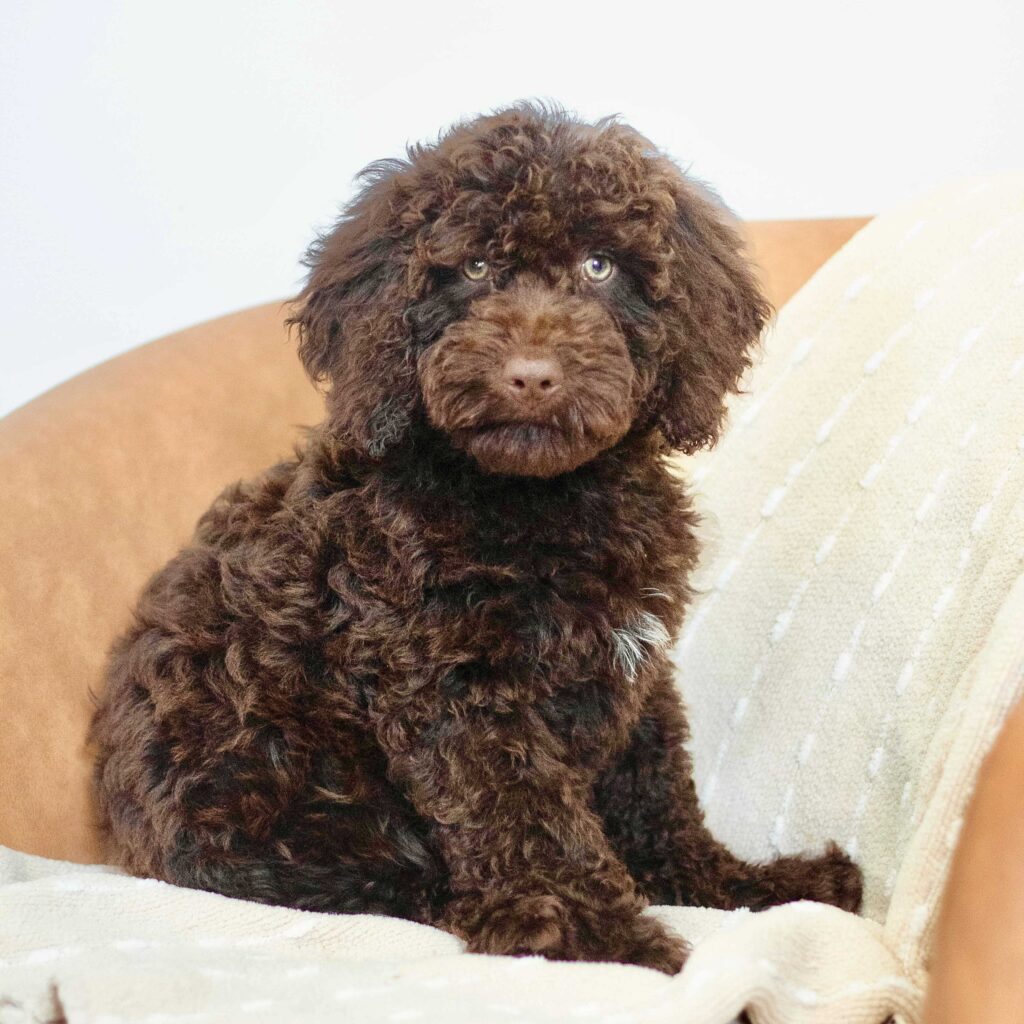
Coat: Wavy and curly coats are both common. Both are low-shedding. Curlier coats require more frequent grooming; wavy coats are a bit more forgiving. I always tell families: factor grooming into your budget. Plan on professional grooming every 6–8 weeks, plus brushing 2–3 times a week at home.
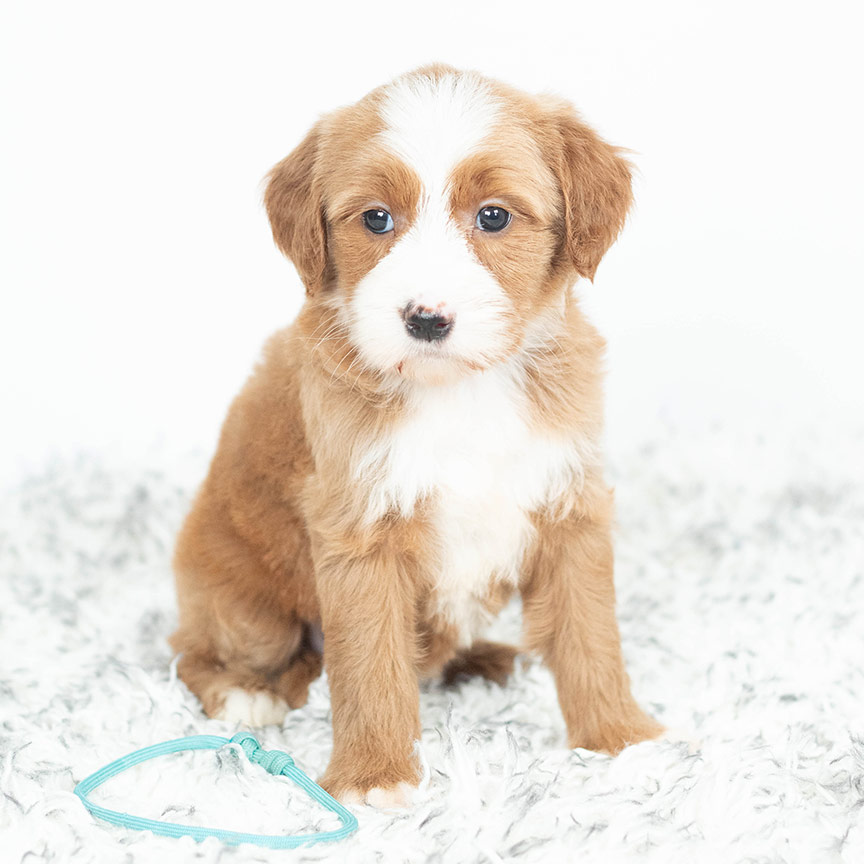
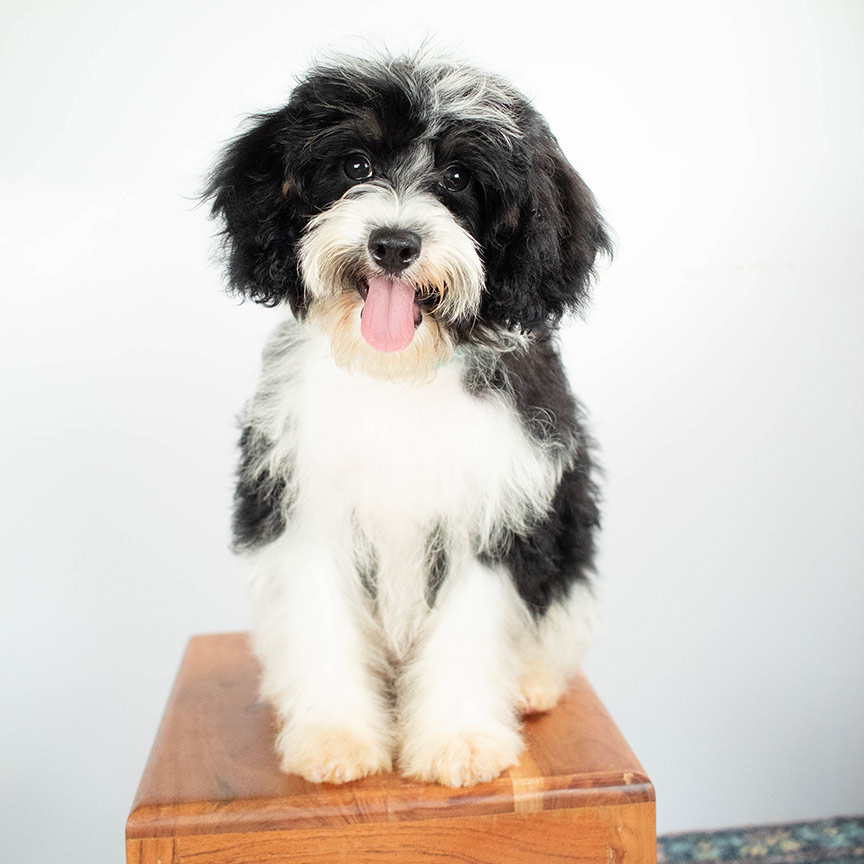
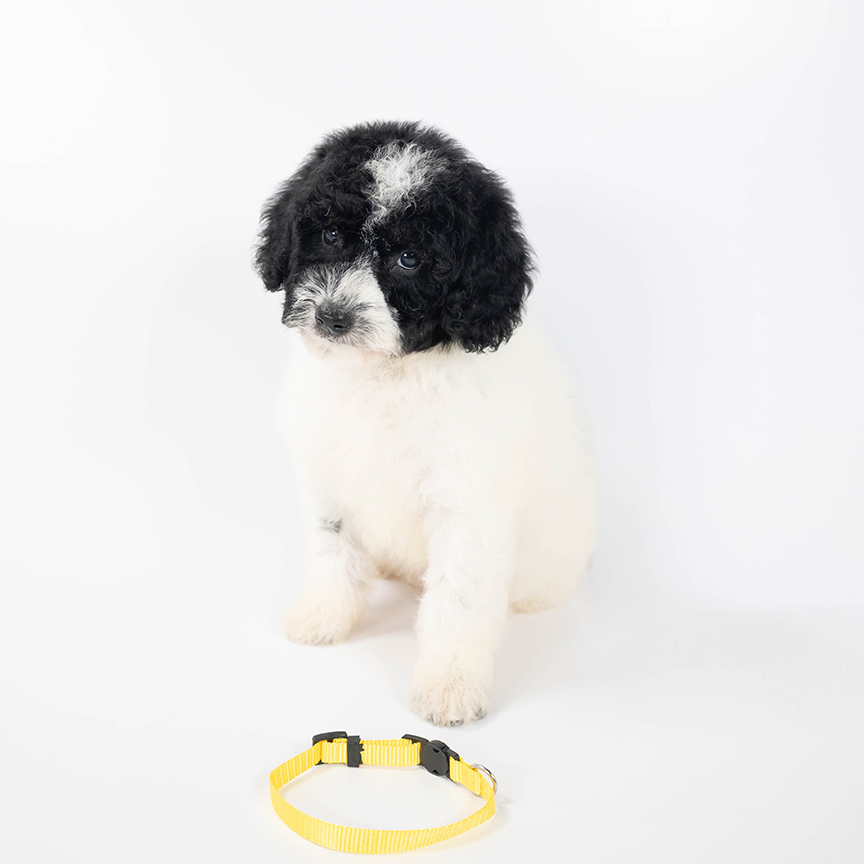
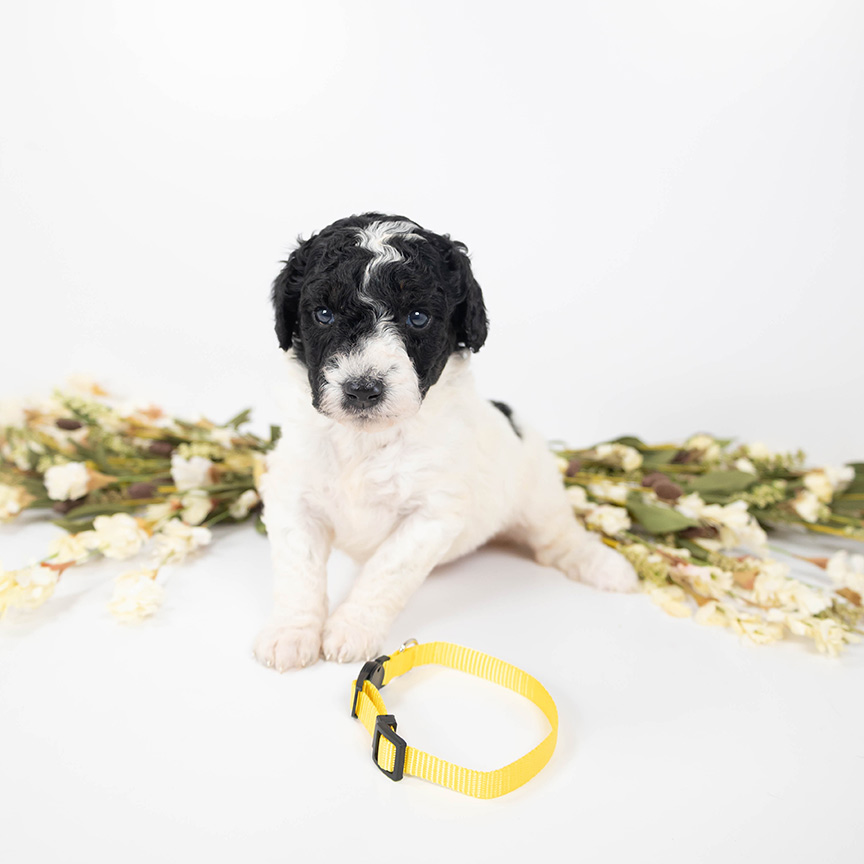
Colors: We produce traditional tri-color (black, white, and rust), tri-color merle, and deep red tuxedo patterns. The merles are particularly striking, no two are exactly alike.
Our Health Testing Standards (And Why They Matter)
This is where I want to be specific, because “health tested” gets thrown around a lot in the breeding world without much detail behind it.
Every parent dog in our program is tested through OFA (Orthopedic Foundation for Animals) and Paw Print Genetics. That covers:
- Hips and elbows (evaluated for dysplasia)
- Cardiac screening (evaluated by a cardiologist)
- Eye certification (CAER exam)
- Over 250 genetic disease markers tested via DNA panel
I won’t breed a dog whose results I wouldn’t be comfortable showing a veterinarian. I share all health documentation with families before they commit to a puppy.
Why does this matter practically? It doesn’t guarantee a perfectly healthy dog for life, nothing can. But it dramatically reduces the likelihood of heritable conditions that can shorten a dog’s life or create significant veterinary costs down the road. The average Mini Bernedoodle from health-tested parents lives 12–15 years.
How Our Puppies Are Raised
Our puppies are born and raised in our home, not in a kennel, not in a garage. From day one, they’re handled daily.
Weeks 1–2: We begin Early Neurological Stimulation (ENS), a structured protocol developed for military working dogs that builds neurological resilience. It involves brief, specific handling exercises that improve stress tolerance and immune response. The research behind it is solid, and I’ve seen the difference it makes in how our puppies handle new environments.
Weeks 3–6: Socialization begins in earnest. Puppies are exposed to different floor surfaces (grass, gravel, wood, carpet), household sounds (vacuums, children, music), gentle handling of paws and ears, and early crate introduction. We also begin very basic litter box training, which translates well to potty training once puppies go home.
Weeks 6–8: Puppies begin interacting with visitors, including children, and with our other adult dogs. Temperament assessments are done around week 7 to help me match each puppy to the right family.
Our Checkpoint Training Program
For families who want a head start, we offer our Checkpoint Training program. This is an optional add-on where your puppy stays with us a bit longer and works with our trainer on:
- Crate comfort and sleeping through the night
- Leash introduction and basic loose-leash walking
- Sit, down, stay, and beginning recall
- Confidence on new surfaces and in new environments
Families who choose this program consistently tell me their puppy settled into their home faster and with less stress, for both the dog and the family. It’s particularly valuable for households with very young children or for first-time dog owners.
What Families Often Don’t Ask (But Should)
After years of matching families with puppies, there are a few questions I wish more people asked upfront:
“What’s your return policy if something unexpected happens in my life?” I have a lifetime return policy. I would rather a dog come back to me than end up in a shelter. No judgment, no drama.
“What will grooming actually cost me?” In most markets, expect $80–$150 every 6–8 weeks. Over a dog’s lifetime, grooming is often the largest ongoing cost people underestimate.
“How do I know which puppy in the litter is right for my family?” I do temperament evaluations at 7 weeks and take your family situation seriously when making recommendations. A high-energy puppy might thrive with an active couple but struggle in a home with a toddler. I’d rather have that conversation than have you guess.
Pricing and What’s Included
Our puppies are priced between $2,500 and up, depending on coat color, pattern, and whether Checkpoint Training is included.
Every puppy goes home with:
- Up-to-date vaccinations and a veterinary health certificate
- Microchip
- Starter kit (food sample, comfort item with mom’s scent, care guide)
- Health and genetic testing documentation for both parents
- Lifetime breeder support — I’m genuinely available by text or phone when you have questions
What Families Say
“Rebecca helped us choose the right puppy for our family, not just any available puppy. Luna has been with us two years now and I still can’t imagine life without her.” — Anna & Family
“Milo came home already knowing his name and comfortable in a crate. The transition was so much smoother than we expected. Rebecca clearly puts real thought into how she raises these dogs.” — The Anderson Family
“I was nervous about the grooming commitment, but Rebecca walked me through exactly what to expect. Penny is now my daughter’s shadow and the best thing to happen to our family.” — Sam W.
Common Questions, Answered Honestly
How big will my puppy get? It depends on the specific parent pairing. I give families a realistic weight range based on the actual parents — not a broad chart. Most of our puppies mature between 20–40 pounds.
Are they good with cats? Generally yes, with a proper introduction. Puppies socialized young do best. I always recommend introducing through a door or baby gate first and letting the cat set the pace.
How much exercise do they really need? 30–45 minutes of intentional activity daily is enough for most adults. Puppies under a year should have shorter, lower-impact sessions to protect developing joints.
Do they do well alone during a workday? Young puppies need frequent breaks (every 2–3 hours) and should not be left alone for 8 hours straight. Adults can handle longer stretches with proper crate training. If you work full-time, I’d suggest a dog walker or midday check-in for the first year.
What if my puppy develops a health issue? I stand behind the health of my dogs. If a genetic condition covered by our health testing program appears in your puppy’s first two years, I will work with you to address it. The specifics are in our written health guarantee.
Ready to Apply?
Our puppies find homes quickly, and I take the matching process seriously. If you’re interested in bringing one of our puppies home, the first step is filling out a family application, it helps me understand your lifestyle and recommend the right puppy when a litter becomes available.
I’d love to hear from you.
Rebecca Willis Double U Doodles