Dog Communication 101: How to Read Your Pet’s Face and Posture
Understanding Dog Communication starts with paying attention to your dog’s face, body posture, and subtle signals that reveal how they feel. Dogs communicate long before they bark, growl, or whine. Their eyes, ears, tail, and stance tell you precisely what is happening in their mind. When you learn to read those cues, you connect more deeply, prevent misunderstandings, and support a confident, emotionally balanced dog. At Double U Doodles, this is exactly why we focus on early socialization, confidence building, and positive reinforcement in every puppy we raise.
Why Dog Communication Matters for Families
When your puppy grows up in a home environment with thoughtful exposure like ours, they already understand a wide range of human signals. But the other half of the relationship is you knowing how to read them. Dog Communication is a two-way street. Families who learn canine body language are the ones who raise dogs that trust easily, respond calmly, and bounce back from new experiences with confidence.
This is especially important for Bernedoodles and Sheepadoodles. These breeds are incredibly intuitive, people-focused, and emotionally sensitive. They read your tone, your posture, and your mood faster than you might expect. Understanding their responses keeps that connection strong.
The Face Tells You More Than the Bark
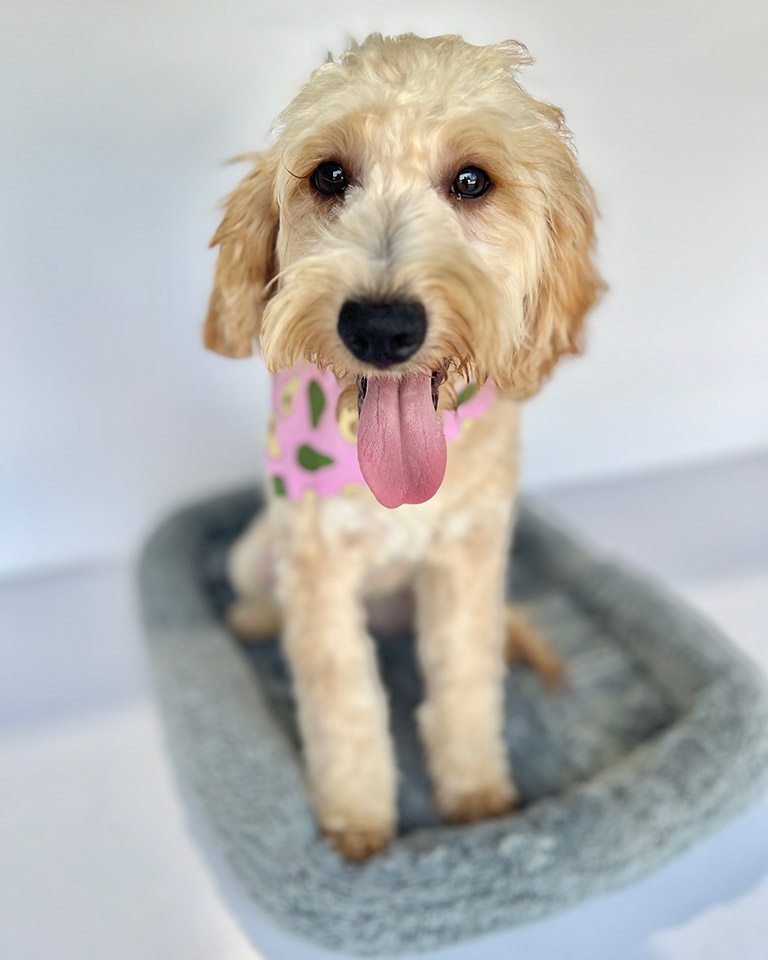
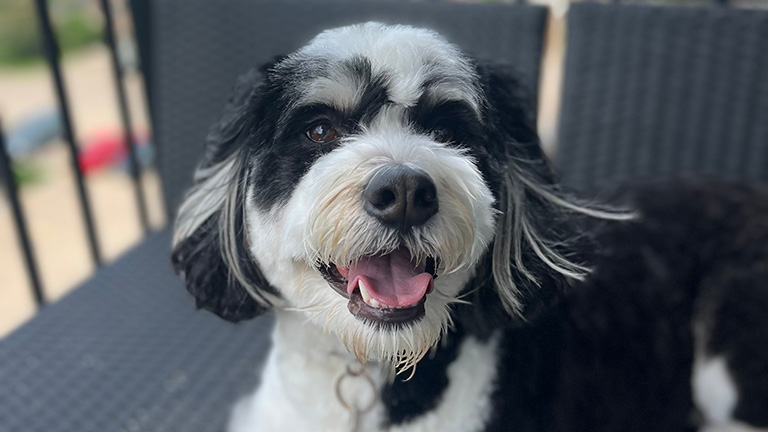
Soft relaxed eyes
When the eyes look almond-shaped and the muscles around them are loose, you have a calm and happy dog. This is the classic look we see in Double U Doodles puppies who have just finished a training session in the Checkpoint Puppy Program. They feel safe, challenged, and proud of themselves.
Whale eye
If you can see the white of the eye while the head stays still, your dog is uncomfortable or overwhelmed. This is one of the most important signals of dog communication. When you catch it early, you can redirect or remove your dog before stress escalates.
Mouth shape
A relaxed dog has a loose jaw and may pant lightly. A tight, closed mouth often means they are alert or tense. Lip licking can be a stress signal, especially in situations with new people or new environments.
Ear position
Forward ears mean interest. Neutral ears mean calm. Pinned-back ears usually indicate fear or uncertainty. Since doodles have fluffy coats, you sometimes need to look a little closer, but the signals are all there.
Posture Speaks Even Louder
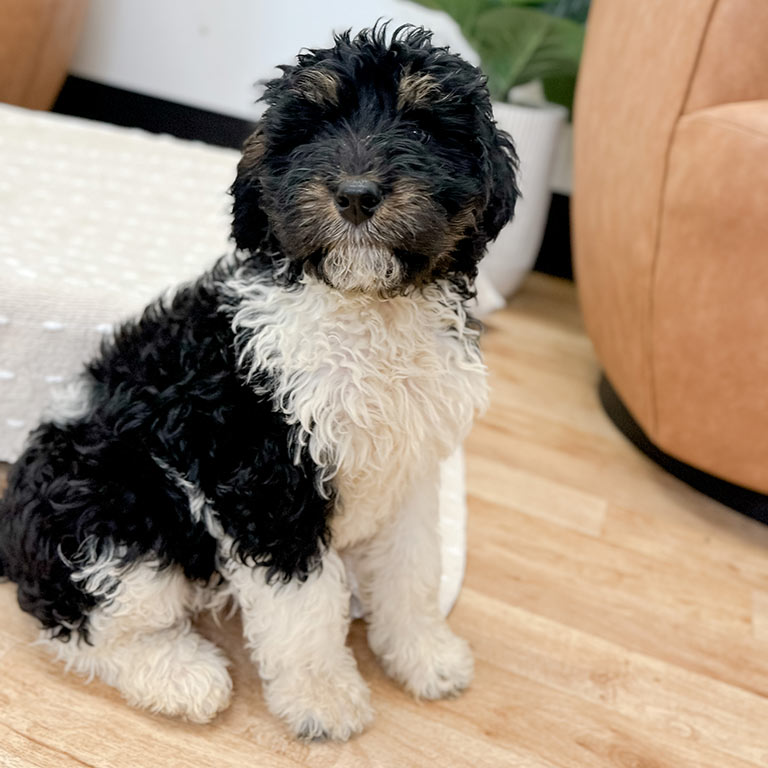
Loose body and wiggly tail
This is the classic friendly doodle greeting. Bernedoodles and Sheepadoodles are pros at this soft and social posture. Their entire body tells you they are comfortable and excited to engage.
Stiff posture
A stiff tail, rigid torso, or weight shifted forward means alertness or discomfort. This is a crucial part of dog communication because stiffness often appears seconds before growling or barking.
Lowered body
A lowered head or a crouched back end signals fear, uncertainty, or a desire for space. Puppies often show this when they are unsure about a new situation. This is where gentle encouragement and positive reinforcement matter. Our raising methods teach puppies how to move from fear to curiosity without pressure.
Leaning into you
This is affection and trust. Doodles do this constantly. It also works as a grounding mechanism when they feel slightly unsure. Your presence becomes their comfort.
Tail Language for Doodles
Tail signals vary by breed, coat, and temperament, but the basics hold true.
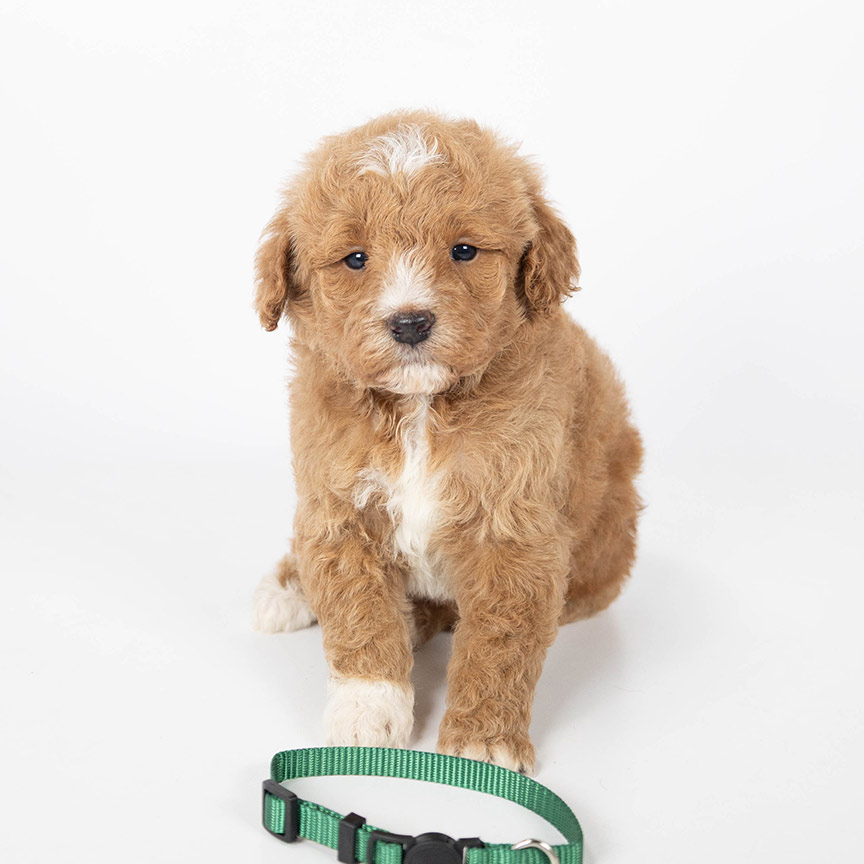
High fast wag
Excitement, anticipation, or overstimulation.
Slow wide wag
Friendly social engagement.
Low tucked tail
Fear, insecurity, or discomfort.
Neutral tail
Calm and relaxed.
Learning this part of dog communication helps you handle greetings, socialization, and training with more awareness.
Vocalizations Still Matter but They Are Secondary
Dogs use vocalizations as a last resort, not a first. By the time you hear a growl or bark, your dog has already used several facial and posture cues. Understanding those earlier signals lets you respond more effectively.
How We Teach Communication in Our Program
At Double U Doodles, we build strong communication habits from day one. Using Puppy Culture, and the Check Point Puppy Program, our puppies learn to express themselves confidently while also paying attention to human cues. This is a huge advantage for families because the puppy arrives already understanding how to handle new sounds, textures, surfaces, and social situations.
Our training approach teaches puppies to think, not panic. They learn to offer eye contact, read tone, respond to calm body language, and approach the world with curiosity. All of this strengthens the bond between you and your new doodle.
Helping Your Dog Communicate Better at Home
Respond quickly to subtle stress signals
Take action before barking or growling shows up. This builds trust.
Reward calm engagement
When your dog checks in with you, looks you in the eye, or approaches with a relaxed body, reinforce it.
Teach family members the basics
Kids especially benefit from learning how to understand dog communication, so play stays safe and positive.
Build predictable routines
Doodles thrive on structure. Once they understand what to expect, they communicate more clearly and confidently.
Frequently Asked Questions
How can I tell if my dog is stressed?
Look for whale eye, lip licking, yawning outside of sleepy times, stiff posture, or avoidance. These are early signals that your dog needs space or reassurance.
Why does my dog stare at me?
Dogs often stare to ask for direction, connection, or reassurance. Bernedoodles and Sheepadoodles are known for this because they are so people focused.
Is a wagging tail always friendly?
No. The tail is only one part of Dog Communication. A stiff high wag can signal overstimulation or stress. Always check the full body posture.
How do I know if my dog wants to be touched?
A dog who wants attention will lean in, move closer, or nudge your hand. A dog who turns away or becomes still is asking for space.
Why does my dog freeze during interactions?
Freezing is a key sign of discomfort. It means your dog is unsure or overwhelmed. Pausing the interaction or giving space usually helps.