
Signs of Stress in Puppies: What Body Language Reveals
Signs of Stress in Puppies: What Body Language Reveals
Many new families ask us how to read the signs of stress in puppies, especially during those first exciting but overwhelming weeks at home. At Double U Doodles, we spend a lot of time helping Bernedoodle and Sheepadoodle puppies build confidence, so we know how important it is for families to understand early body language cues. Puppies cannot tell you when they feel uncertain, but their posture, movements, and expressions reveal exactly what they need.
Why Understanding Signs of Stress in Puppies Matters
 Recognizing the signs of stress in puppies helps prevent fear-based behaviors, supports better training, and strengthens the bond between you and your doodle. A puppy that feels heard and supported learns faster, settles more easily, and develops long-term emotional resilience. For doodle breeds that are naturally sensitive and people-focused, understanding these cues makes a huge difference.
Puppies Communicate Long Before They Bark
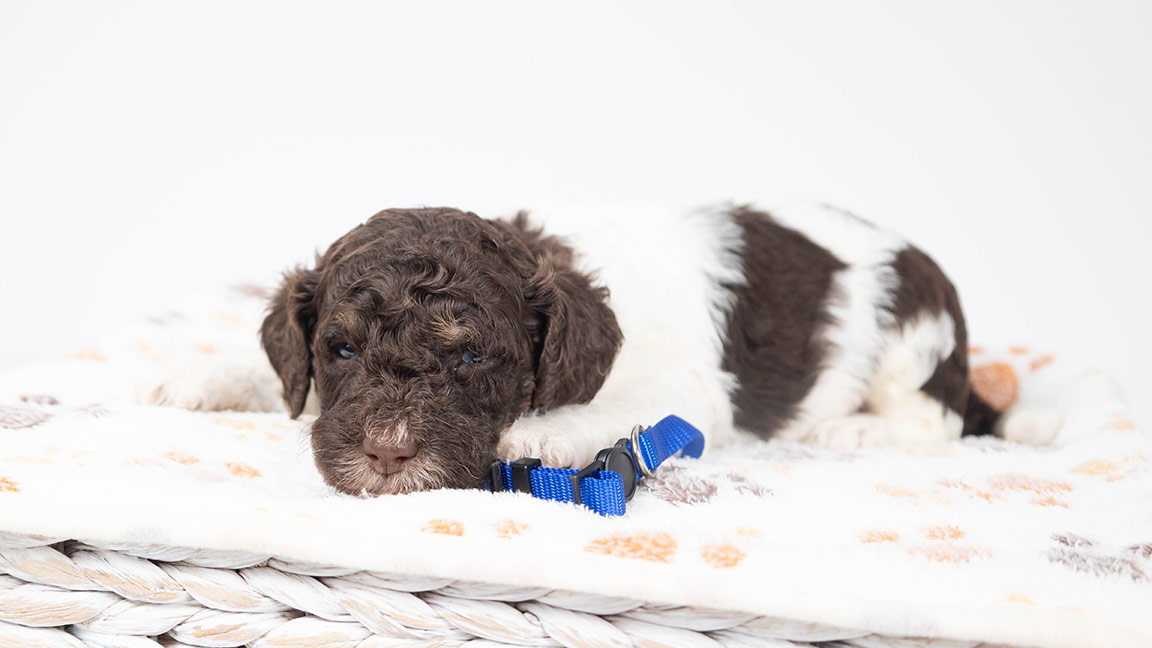
Most signs of stress in puppies are evident in their bodies, not in their voices. A tucked tail, lowered posture, or pinned ears may be subtle, but they are clear indicators that your puppy needs space, comfort, or reassurance.
Early Recognition Builds Trust
When families respond appropriately to signs of stress in puppies, the puppies learn that their new home is a safe place. Consistent support builds confidence, reduces reactivity, and creates a calmer relationship from the start.
Common Signs of Stress in Puppies You Should Watch For
Every puppy is different, but most display similar patterns when they feel uncertain. Knowing what to look for can help you step in before the stress turns into fear or unwanted behaviors.
Tucked Tail or Lowered Body
A tail held low or tight against the body is one of the clearest signs of stress in puppies. They may also crouch slightly or hunch their shoulders. This posture signals insecurity or fear.
Lip Licking, Yawning, or Turning Away
These subtle gestures are calming signals puppies use to diffuse tension. When a doodle looks away or yawns in a new situation, it may be self-soothing.
Pinned Ears or Wide Eyes
Ears pulled back and eyes appearing rounder than normal indicate discomfort. If your puppy looks frozen or overly alert, they might be trying to assess a situation that feels overwhelming.
Shaking, Stretching, or Sudden Scratching
These actions can be physical outlets for emotional tension. When puppies shake off as if to dry water or stretch dramatically, they may be experiencing stress.
Hiding or Avoiding Interaction
If your puppy seeks shelter under furniture, behind you, or in another room, they are asking for space. This is one of the most common signs of stress in puppies during early transitions.
Excessive Chewing or Zoomies
Some stress shows up as excitement. When puppies chew frantically or suddenly race around, it can be a coping mechanism for strong emotions.
What Causes Stress in Doodle Puppies?
Even confident puppies experience stressful moments. Understanding the source helps you respond more effectively.
New Environments
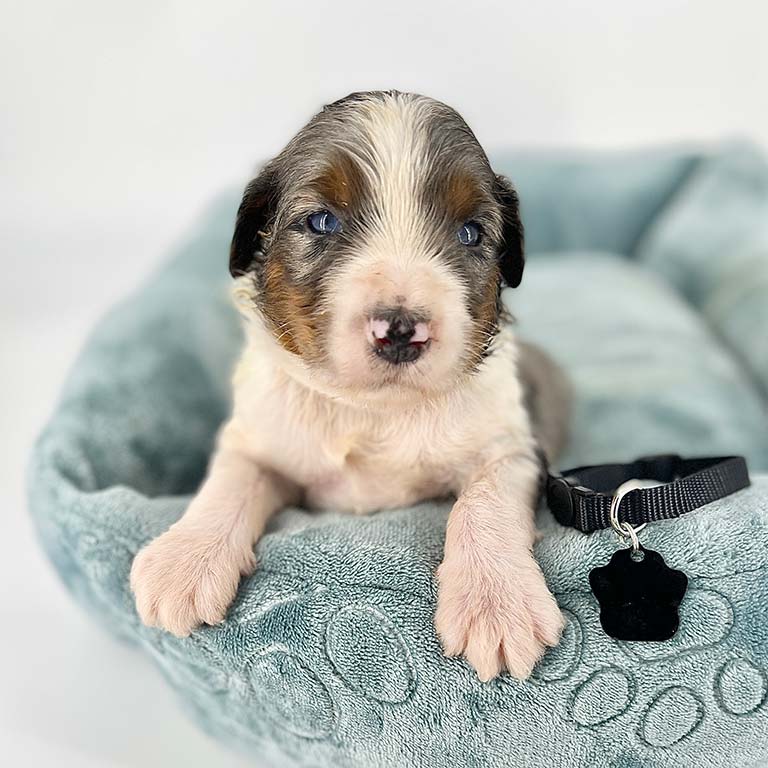
Moving from our home to yours is a big change. New smells, floors, routines, and people can all trigger signs of stress in puppies.
Loud Noises
Vacuum cleaners, clattering dishes, kids playing, or city sounds may be unfamiliar. Doodles often adjust quickly, but early reactions vary.
Overhandling
Well-meaning families sometimes overwhelm puppies with too much attention. A stressed puppy may turn away, lick lips, or squirm.
Fast Introductions to Other Pets
Even when handled carefully, meeting a new dog or cat can bring out signs of stress in puppies until trust develops.
Training Pressure
If training feels too difficult or confusing, doodling may indicate stress. Adjusting the pace makes a noticeable difference.
How Double U Doodles Helps Puppies Build Confidence Early
Our enrichment and socialization programs reduce the signs of stress in puppies long before they go home. Exposure to gentle handling, new textures, controlled sounds, and age-appropriate challenges helps them adapt more comfortably to change.
Early Emotional Conditioning
We focus on intentional nurturing during the early weeks, teaching puppies that new experiences are safe and rewarding.
Gradual Environmental Exposure
Puppies hear household sounds, explore different surfaces, and experience mild novelty in a calm, structured way. This helps minimize future stress responses.
Positive Introduction to Training
Short moments of luring, focus games, and early manners support emotional stability and reduce stress during transitions.
How Families Can Support a Puppy Showing Stress
Even with a great foundation, puppies still need help processing the world. Here is how you can respond when you see signs of stress in puppies.
Slow Down the Environment
Reduce stimulation, create space, and allow your puppy to observe at their own pace.
Offer Gentle Comfort
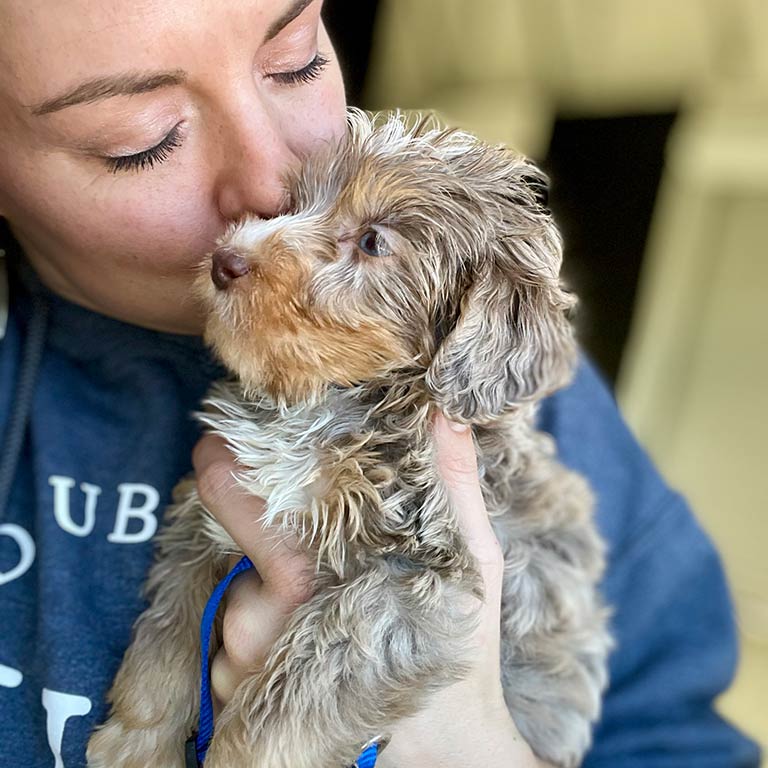
Soft voices, calm presence, and safe contact help doodles regulate themselves.
Provide a Quiet Retreat
A crate or cozy corner creates a predictable, safe zone where the puppy can rest and decompress.
Use Positive Reinforcement
Rewarding calm behavior helps puppies feel secure and teaches them appropriate responses.
Keep Training Sessions Short
Remove pressure by focusing on tiny wins. Doodles learn best through encouragement, not intensity.
Understanding Stress Leads to Happier, More Confident Doodles
When you learn to read the signs of stress in puppies, you can guide your doodle through challenges with patience and clarity. This emotional support shapes a well-balanced dog that trusts you fully. At Double U Doodles, we believe emotional development is just as important as physical growth, and understanding stress signals is one of the best ways to support your new companion’s journey.

Frequently Asked Questions
What are the most common signs of stress in puppies?
Tucked tails, lip licking, yawning, pinned ears, wide eyes, hiding, or sudden energy bursts are common signals.
Is it normal for puppies to feel stressed in the first week home?
Yes. Transitioning to a new environment often triggers temporary stress that improves with routine and gentle support.
What should I do if my puppy hides frequently?
Give them quiet, predictable spaces and avoid forcing interaction. Confidence grows with time.
Can training cause stress for doodle puppies?
Yes, if sessions are too long or confusing. Short, positive exercises are best.
How can I help my doodle feel more confident?
Use enrichment, predictable routines, calm introductions, and consistent positive reinforcement.