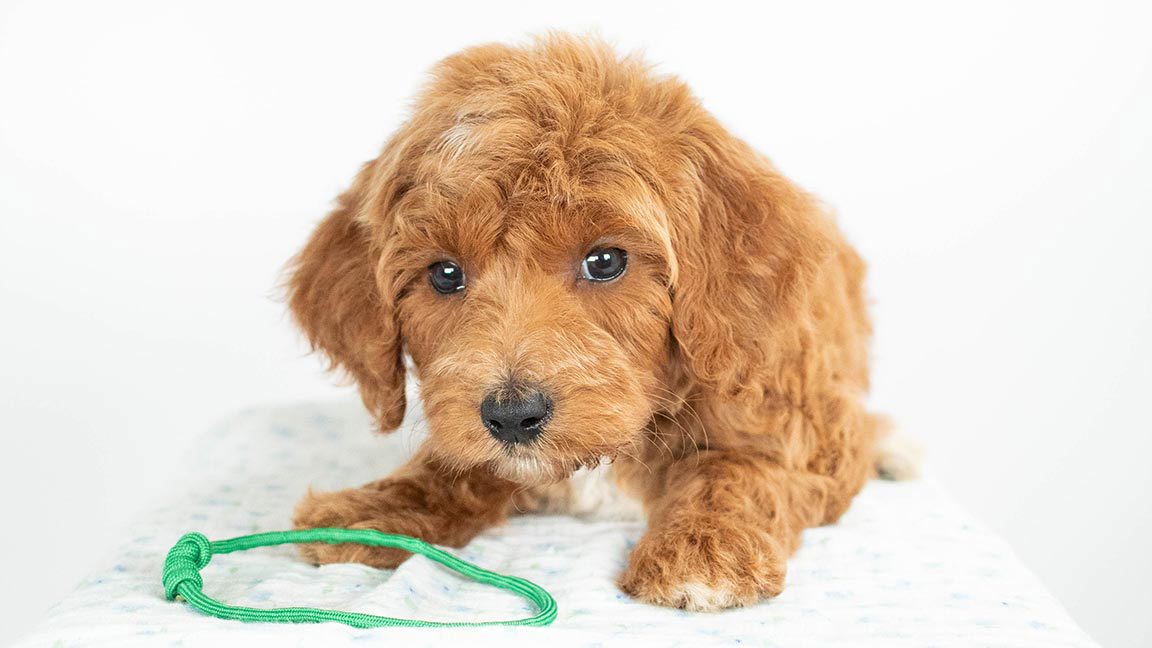
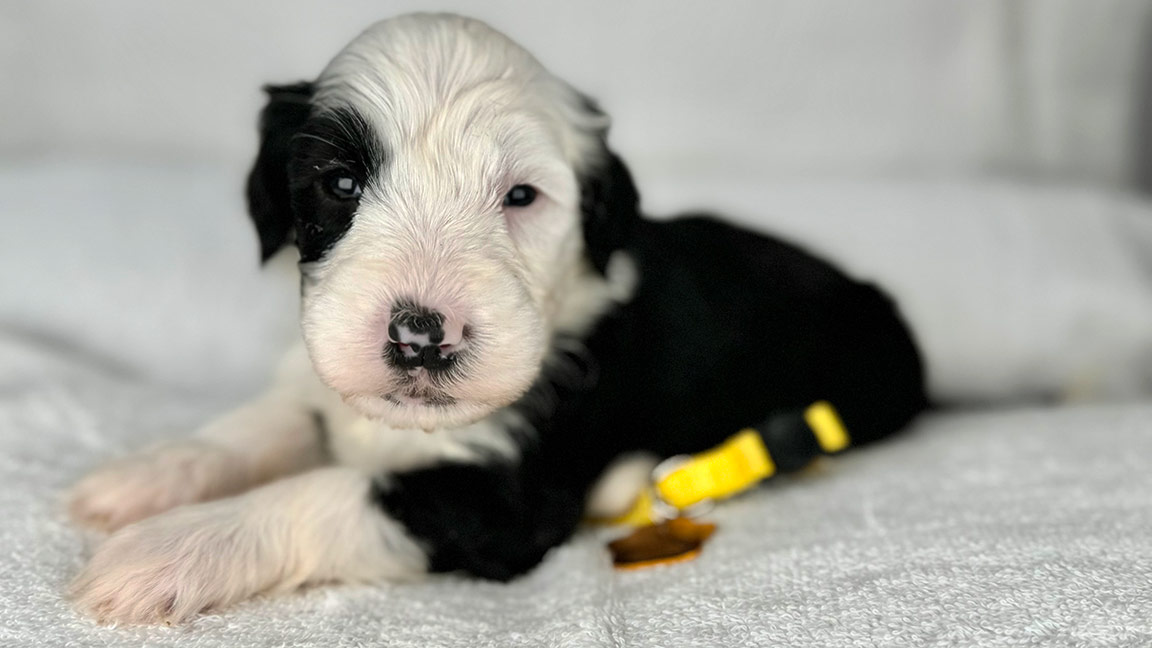
Why Grooming Training Should Start Early: A Breeder’s Perspective
Why Grooming Training Should Start Early: A Breeder’s Perspective
Grooming training is not about haircuts. It is about trust.
At Double U Doodles, we believe grooming training should begin in puppyhood, long before a puppy ever steps into a professional salon. When introduced early and gently, grooming becomes a normal part of life. When delayed, it can become stressful, overwhelming, and unnecessarily dramatic.
For Doodles, coat care is simply part of the package. It is essential to their long-term health and comfort, which is why grooming training is built into our foundation from the very start.
Let’s talk about why it matters so much.
Doodles and Coat Reality
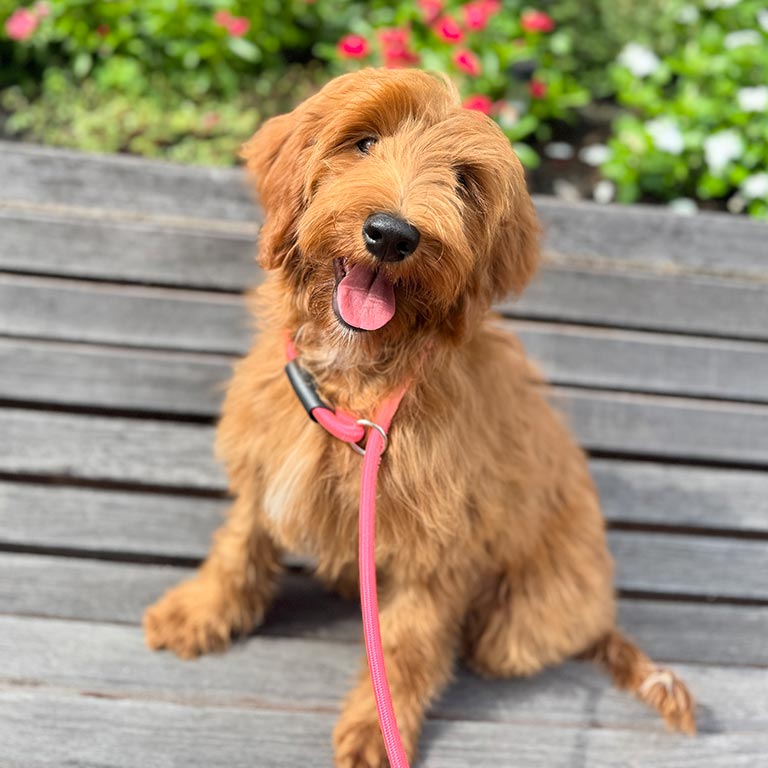 Doodles are known for their soft, low to non-shedding coats. That is one of the reasons families love them. But low shedding comes with responsibility.
These coats:
- Grow continuously
- Tangle easily if neglected
- Require regular brushing
- Need professional grooming every 6 to 8 weeks
Without early grooming training, what should be routine care can turn into a wrestling match.
A puppy that has never experienced brushing, clippers, or nail trimming may interpret those sensations as threats. That reaction is not bad behavior. It is simply unfamiliarity.
Early Exposure Builds Confidence
Puppies go through sensitive developmental periods. During these early weeks, new experiences are processed with curiosity rather than fear.
When grooming training begins early, puppies learn that:
- Hands touching paws are normal
- Brushes are not scary
- The sound of clippers is safe
- Blow dryers are just background noise
At Double U Doodles, our CheckPoint Puppy Program includes structured exposure to handling and gentle grooming sensations. We do not rush it. We introduce it calmly, in short sessions, paired with positive reinforcement.
The result is a puppy who tolerates grooming instead of resisting it.
Grooming Is More Than Hair
Grooming training includes far more than coat maintenance.
It prepares puppies for:
- Nail trimming
- Ear cleaning
- Eye wiping
- Dental checks
- Vet examinations
A dog who is comfortable being handled is easier to care for across the board.
From a breeder’s perspective, this is not just about convenience. It is about welfare. A dog that panics during grooming may experience chronic stress. A dog that trusts the process remains calm and safe.
The Long-Term Impact of Early Grooming Training
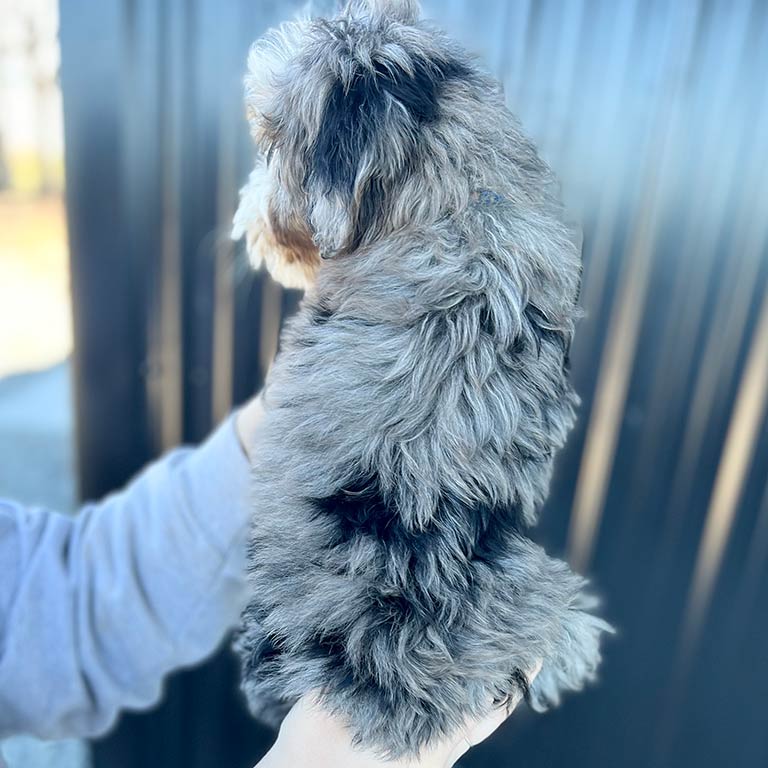 We have seen the difference.
Puppies who experience early grooming training:
- Transition smoothly to professional groomers
- Show less fear during vet visits
- Require less restraint
- Recover quickly from new environments
This is especially important in intelligent breeds like Doodles. Bernedoodles and Sheepadoodles are highly perceptive. If their first grooming appointment is loud, unfamiliar, and overwhelming, that memory can stick with them.
By contrast, when early experiences are positive, future appointments feel routine.
Consistency matters here just as much as in obedience training.
Why Waiting Creates Problems
Some families assume they can “deal with grooming later.”
The problem is that coat growth does not wait.
By 12 to 16 weeks, many Doodle puppies already need regular brushing and trimming. If grooming training has not started, mats can form quickly, leading to uncomfortable shaving and negative first experiences.
Once fear is introduced, it takes much longer to rebuild confidence.
Prevention is always easier than correction.
What Early Grooming Training Looks Like
At Double U Doodles, grooming training is gentle and progressive.
It may include:
- Brief daily brushing sessions
- Touching and holding each paw
- Light trimming around the face
- Exposure to low-volume dryer sounds
- Calm praise during handling
Sessions are short and positive. The goal is familiarity, not perfection.
We are not creating show dogs. We are creating confident companions.
How Families Can Continue the Process
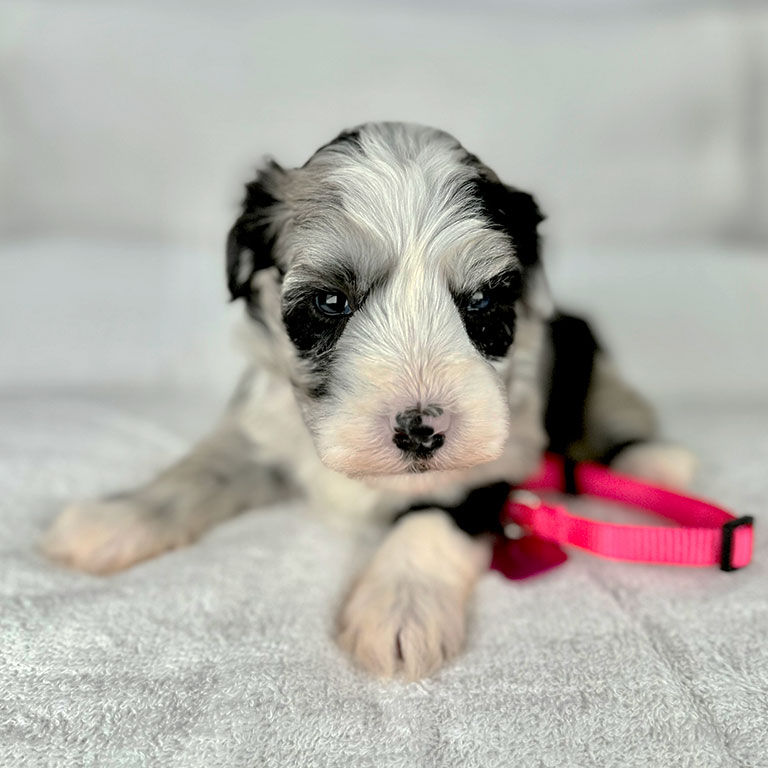 When your puppy comes home, the work continues.
To reinforce grooming training:
- Brush several times per week
- Touch paws daily, even when not trimming nails
- Keep sessions short and calm
- Reward cooperation immediately
- Schedule the first professional groom early
Do not wait for a full coat to develop before introducing a salon visit. A simple bath and tidy trim helps build comfort without overwhelming the puppy.
Grooming and the Human Dog Bond
There is something powerful about routine care.
When grooming training is handled with patience, it becomes bonding time. Your dog learns that your hands mean comfort, not stress.
This trust carries into other areas of life.
Dogs that feel safe during grooming often:
- Handle new environments better
- Show fewer fear responses
- Display stronger attachment to their owners
Early structure builds emotional stability.
The Double U Doodles Perspective
As breeders, we see the before and after.
We see puppies raised without early grooming exposure struggle at their first appointments. We see others, raised with calm structure, walk into a salon curious and confident.
That difference is not accidental.
Grooming training is part of responsible breeding. It prepares puppies for the reality of their coat type and supports their long term wellbeing.
At Double U Doodles, we believe raising a Doodle means preparing them for every part of life, including the grooming table.
FAQ
Why is grooming training important for Doodles?
Doodles have continuously growing coats that require regular maintenance. Early exposure prevents fear and resistance later in life.
When should grooming training start?
Grooming training should begin in early puppyhood, ideally while the puppy is still with the breeder.
How often should I brush my Doodle puppy?
Most Doodle puppies benefit from brushing several times per week to prevent matting.
What if my puppy resists brushing?
Keep sessions short, calm, and reward focused. Gradual exposure builds confidence over time.
Does early grooming training make vet visits easier?
Yes. Puppies accustomed to handling and restraint are typically calmer during veterinary exams and procedures.